
Taking a soil sample is only the beginning. The real value comes from understanding the results and using them to make better decisions about how you manage your turf.
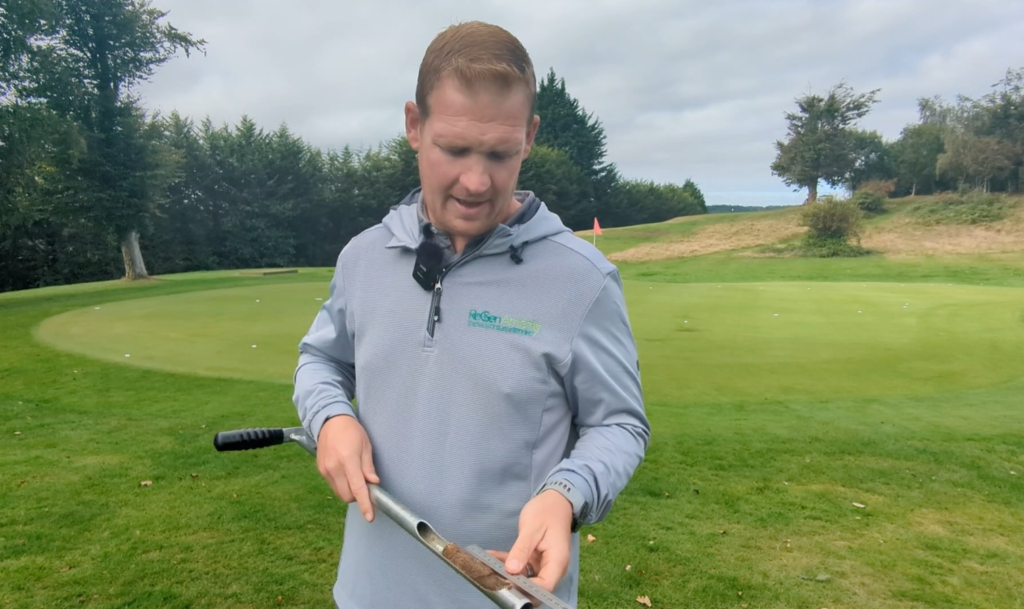
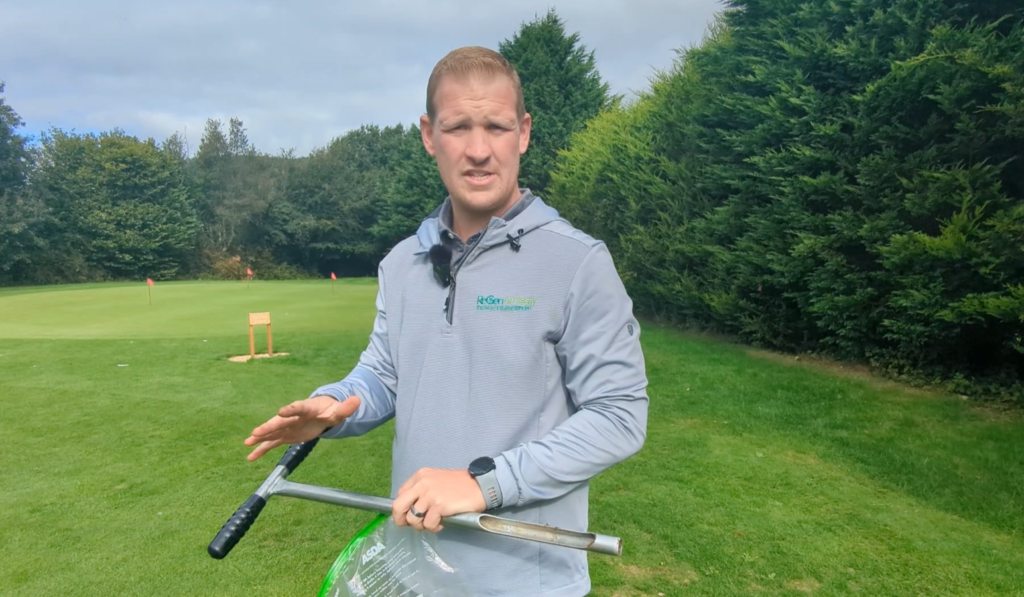
In the second video in our series with Rhys Norville, owner of Regen Amenity, we look at the soil testing process in more detail, from collecting representative samples and testing organic matter to understanding your laboratory results and using them to guide future maintenance.
Taking a Representative Soil Sample
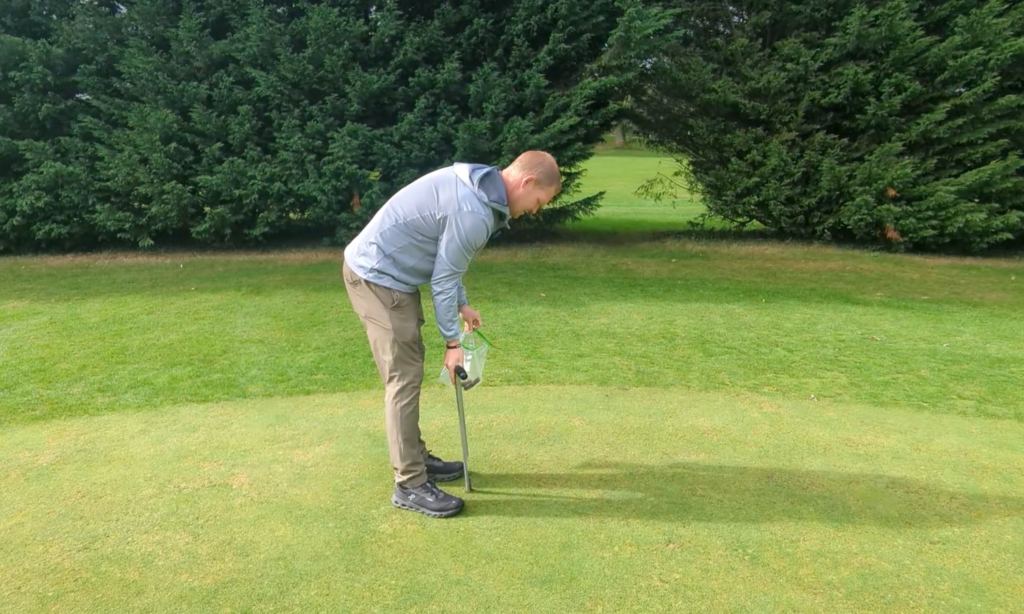
As we covered in our first video, we’re generally looking to take soil samples to a depth of around four inches. But where you take those samples is just as important as the depth.
The aim is to get a representative picture of the green rather than relying on a sample from one particular spot. Rhys recommends working across the green in a V or W-shaped pattern and taking around six to eight samples. These can then be combined to give you an average for that green.
This is particularly important if your course has greens that were constructed differently. Rather than mixing everything together, you should bag and submit samples from differently constructed greens separately. You can then compare the results and identify any meaningful differences between them.
Testing Organic Matter at Different Depths
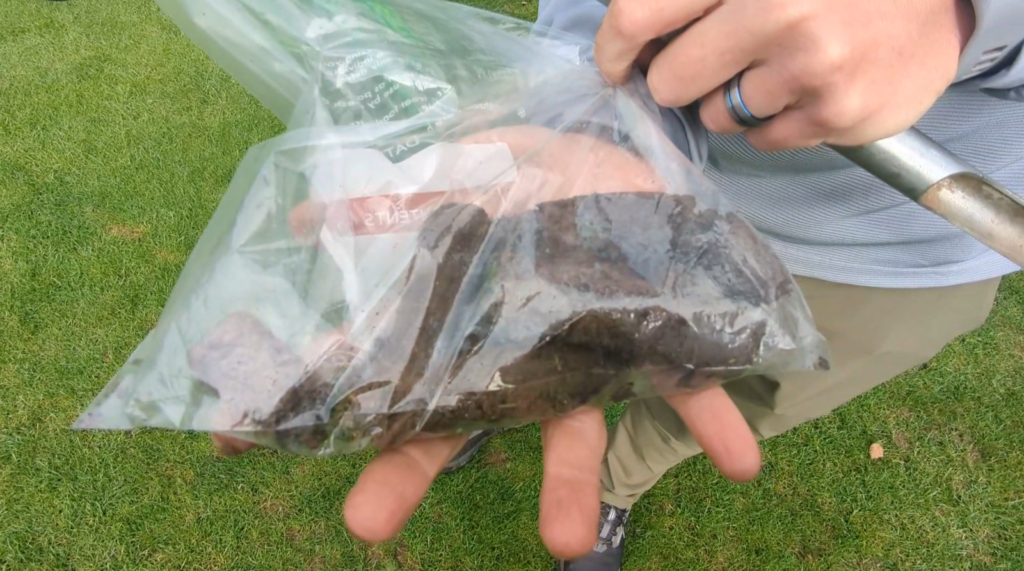
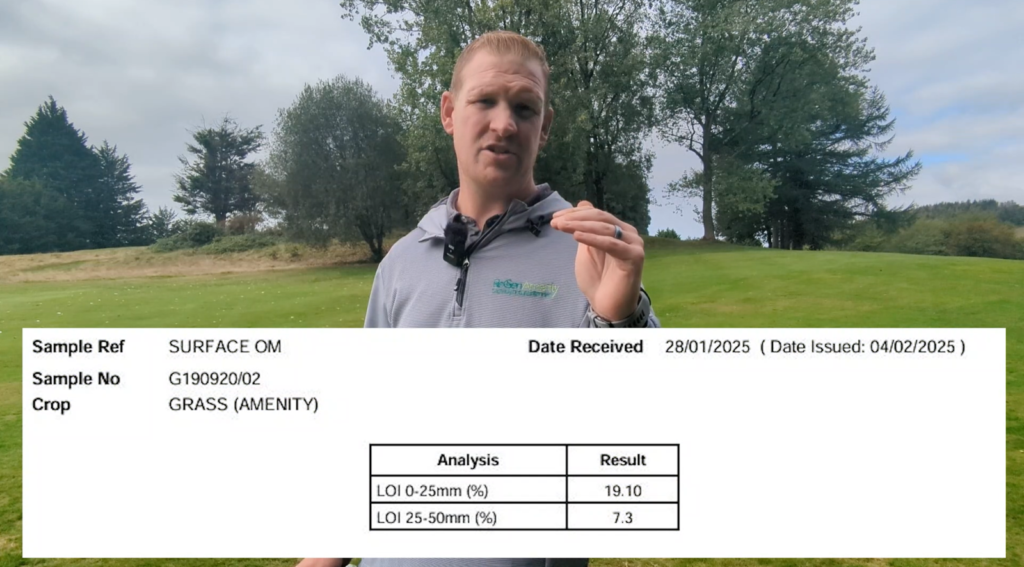
Alongside your standard soil sample, it’s also useful to submit a separate sample for a loss on ignition test. This allows you to assess the amount of organic matter at different depths within the upper root zone. Rhys recommends looking separately at the top 0–25mm and 25–50mm.
Understanding how organic matter is distributed through these layers can give you a clearer picture of what’s happening below the playing surface.
That information can then help when you’re deciding which cultural practices are appropriate. If you know where organic matter is accumulating, for example, you can make a more informed decision about whether practices such as scarification or hollow coring are required and what depth you need to target.
Understanding Your Soil Test Results
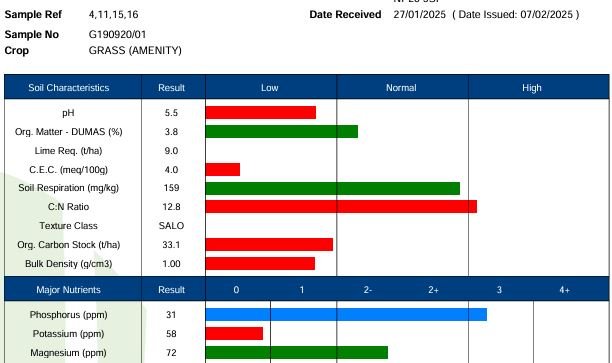
When the laboratory results come back, don’t just file them away or focus on whether individual numbers look high or low. Speak to the lab or distributor that has arranged the testing and make sure you understand what each reading means and how it relates to your particular site.
Rhys also recommends familiarising yourself with the Minimum Levels for Sustainable Nutrition (MLSN) guidelines and comparing your results against these values. The important thing is to use the results as a guide rather than viewing each number in isolation.
Your soil test gives you a snapshot of what’s happening at that particular point in time. The real value starts to build when you test consistently and can compare that information over a longer period.
Look for Trends Over Time
One set of soil results can help inform your next steps, but several years of consistent testing can tell you much more. By keeping records and comparing results year on year, you can begin to identify trends within your greens.
You might see that a particular measurement is gradually increasing or decreasing, or that the work you’ve been carrying out is changing conditions within the root zone. This gives you evidence to work from when you’re deciding whether you need to continue with your current approach or make a change.
Rather than making decisions based purely on what you think might be happening, you have data to support them.
Turn Your Results Into Better Turf Decisions
Soil testing shouldn’t simply be something you do because it’s part of the annual maintenance programme. The results should help you understand your greens and influence what you do next.
Take representative samples and test organic matter at different depths. Then, take the time to understand the laboratory results you receive.
Most importantly, keep that information filed away and build up results over several years, so you can easily see how your greens are changing and have a useful reference point for planning future maintenance.
To find out more about Regen Amenity’s soil testing service, visit Regen Amenity or contact Rhys at sales@regenamenity.co.uk.