
Understanding the Difference between domestic machinery and commercial equipment in the grounds maintenance and sports turf industry
Across the UK, grounds staff, greenkeepers, and grounds maintenance contractors rely on machinery every day to maintain outdoor environments.
When you’re buying equipment, your decision is likely influenced by budget and availability, as well as brand familiarity and the ability of a machine to complete a particular task. But there’s an important question that deserves more attention:
Is the equipment being purchased actually suitable for professional use?
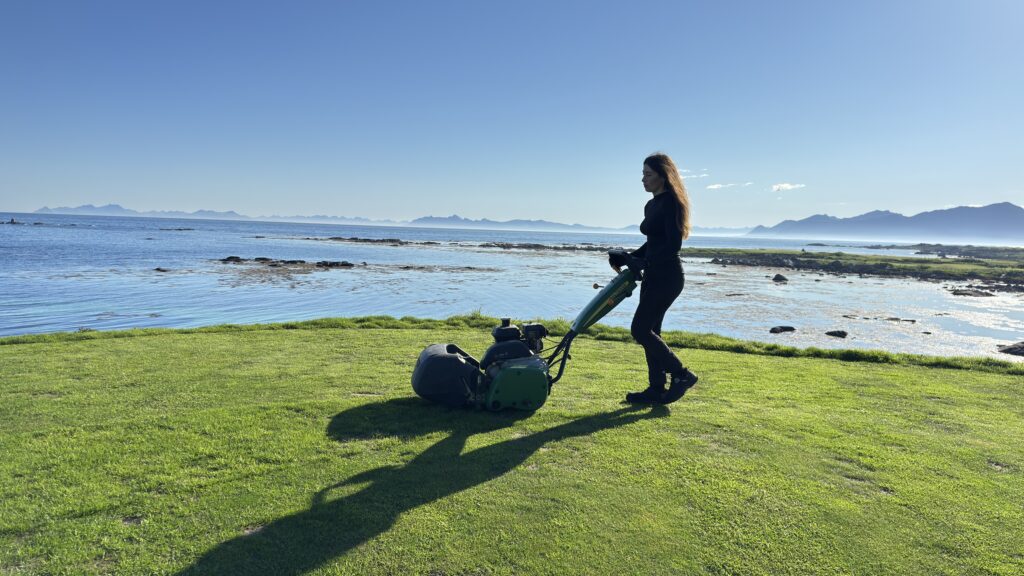
An issue that’s increasingly worth discussing is the use of domestic-grade machinery in commercial working environments. In particular, domestic ride-on mowers are sometimes bought and supplied for use by professional grounds teams, despite potentially lacking the safety provisions and durability that’s expected of commercial equipment.
This might seem like a sensible at first glance. The mower you’ve invested in cuts grass and fits the available budget, and it appears capable of completing the job. But being capable of cutting grass doesn’t necessarily make a machine suitable for professional use.
What does the legislation say?
The Provision and Use of Work Equipment Regulations 1998 (PUWER) place clear responsibilities on employers and those who control work equipment.
Regulation 4 is especially important. It requires employers to ensure that equipment is constructed or adapted to be suitable for the purpose for which it’s used. Under this regulation, employers need consider the working conditions, risks to health and safety, and any additional risks created by using the equipment they’re selecting.
This is an important distinction. PUWER doesn’t simply require you to ask whether a machine works. You also need to consider whether it’s suitable for the actual conditions in which it will be operated.
Let’s look at a domestic ride-on mower as an example. This equipment is designed for occasional use on relatively level garden lawns, and it might be perfectly fine for its intended purpose. But using that same machine in a commercial environment, where it will probably need to operate for multiple hours each day, introduces a different set of considerations.
Your employer will need to be able to demonstrate that the machine is suitable for those conditions and that foreseeable risks have been properly assessed and controlled.
The responsibility doesn’t just disappear if you bought the machine from an established dealer or recommended by a salesperson.
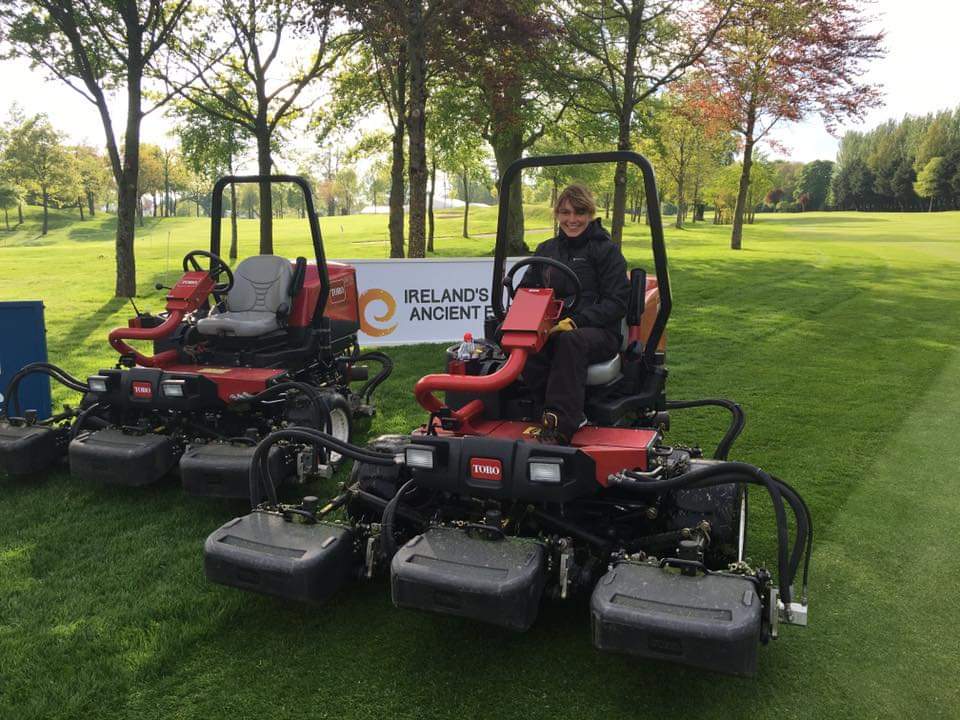
ROPS, seatbelts, and rollover protection
One of the most potentially concerning differences between some domestic and commercial ride-on mowers is the provision of rollover protection.
Commercial machines intended for particular working environments will generally use a Roll-Over Protective Structure (ROPS), together with a seatbelt or operator restraint.
These features are designed to help protect the operator in the event of a machine overturning.
A domestic mower might not have these provisions. While that doesn’t automatically make every domestic mower unsuitable for every commercial application, it does raise the question about the risks associated with its intended use.
The HSE’s guidance on mobile work equipment makes clear that rollover risks must be minimised and that, where appropriate, operators should be protected through suitable rollover protection and restraints.
A machine without suitable rollover protection could expose the operator to a serious crushing injury or fatality.
It’s also important to understand that fitting a seatbelt or adding a roll bar isn’t always a straightforward solution. Protective structures and restraints need to be suitable for the machine, correctly designed and installed, and used as intended.
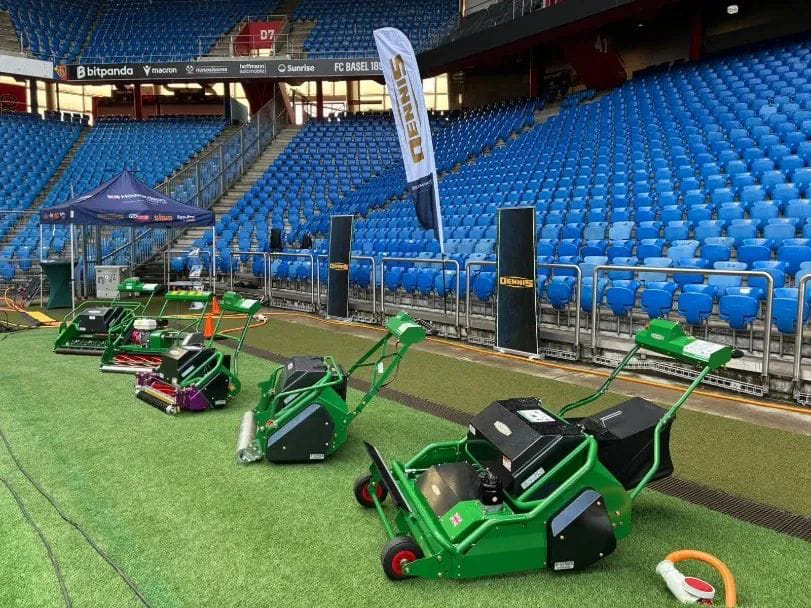
Designed for a different working environment
There are other important differences between domestic and commercial machinery.
Commercial equipment is generally developed to withstand more demanding working conditions, including longer operating hours, repeated use, more challenging terrain, and the demands of professional maintenance operations.
Consider the following:
- Is the machine designed to withstand the demands of daily commercial operation?
- Are the cutting decks and components designed for the expected workload?
- Are these systems suitable for the terrain, operating hours and attachments being used
- Has the machine been designed for the slopes and ground conditions where it will operate?
- Are suitable safety features provided for the foreseeable risks?
- Is the machine approved and suitable for the accessories being fitted, and have their effects on stability and operation been considered?
A machine might perform well on a small domestic lawn but struggle when it’s subjected to the demands of a commercial maintenance programme.
So even if the initial purchase price looks attractive, you should still think about the longer-term costs associated with breakdowns, downtime, repairs, and replacement.
The dealer’s responsibility and the purchasing decision
This isn’t an argument against equipment dealers or manufacturers. Many businesses supply a wide range of machinery, but not every dealer or salesperson will necessarily have specialist knowledge of the requirements of a commercial sports turf or grounds maintenance operation.
You might be recommended a machine because it offers good value, has the required cutting width, or appears to meet the customer’s specification. But does the person making the recommendation understand your working environment?
Do they know whether the machine will be used on slopes, around members of the public, alongside other machinery, or for extended periods?
Do they understand the implications of PUWER, mobile work equipment requirements, and the need for appropriate rollover protection?
Equally, the people responsible for buying equipment to be used within schools, local authorities, sports clubs, and other organisations may not have specialist machinery knowledge.
There’s a shared opportunity here for better communication between suppliers and buyers.
Dealers should be encouraged to establish how equipment will be used before recommending a particular machine. Buyers should also provide clear information about the intended application and ask the right questions before they commit to a purchase.

What about insurance and liability?
Another important consideration you’ll need to make is employer liability and insurance.
If an employer provides machinery that’s not suitable for its intended purpose, or fails to address foreseeable risks, this could have serious consequences if an employee is injured.
Depending on the circumstances, the employer could face enforcement action, prosecution, or civil liability.
There might also be implications for insurance arrangements. Employers need to check their policy conditions and any restrictions relating to machinery.
It would be wrong to assume that an insurance policy will become invalid simply because a domestic machine is used commercially. But an employer should never assume that insurance will provide protection regardless of whether equipment has been selected and operated appropriately.
This is a question you should be asking before an accident occurs, not after.

Who is responsible?
Ultimately, responsibility for selecting suitable work equipment rests with the employer or relevant dutyholder.
PUWER requires employers to ensure that equipment is suitable, maintained, inspected where necessary, and used by people who have received appropriate information, instruction, and training.
There are also responsibilities for manufacturers and suppliers under the Health and Safety at Work etc. Act 1974 and the Supply of Machinery (Safety) Regulations.
This means that the issue should not be viewed solely as a purchasing problem. It’s part of a wider responsibility shared across the machinery supply chain.
A supplier should understand the intended application, while the employer should make an informed decision based on the risks and conditions of use.
A few questions worth asking before purchasing
Before you buy machinery for a professional grounds maintenance or sports turf operation, consider:
- Is the machine specifically designed or approved for the intended commercial application
- Does it meet the relevant machinery safety and conformity requirements?
- Does it have suitable rollover protection and operator restraints where the risk assessment requires them?
- Is it suitable for the terrain, slopes and working conditions?
- Are the proposed attachments approved and suitable for the machine?
- Can it withstand the anticipated operating hours and workload?
- Are maintenance, servicing and inspection requirements understood?
- Have the manufacturer’s operating instructions and limitations been reviewed?
- Has a suitable risk assessment been completed?
- Can the employer demonstrate why this particular machine is suitable for the work?
Getting the right equipment for the job
The grounds maintenance and sports turf industries have made good progress in professionalising their operations. But buying equipment simply because it’s cheaper or appears capable of doing the job risks undermining that progress.
Perhaps it’s time for buyers and machinery suppliers to have more informed conversations about the equipment being sold and used within our industry.
The cheapest machine isn’t necessarily the most economical, and a machine that can complete the job isn’t necessarily a machine that should be doing it.
When it comes to workplace safety, getting the right equipment should never be an afterthought.