
Taking soil samples and sending them to a laboratory can give you valuable information about the condition of your turf. But there’s also plenty you can learn before those samples leave the golf course.
In the first video in our two-part series with Rhys Norville, owner of Regen Amenity, we look at what you can learn from a soil sample on-site and how those observations can help you make better decisions about your greens.
Taking a few minutes to properly inspect the soil profile can tell you a lot about what’s happening beneath the surface.
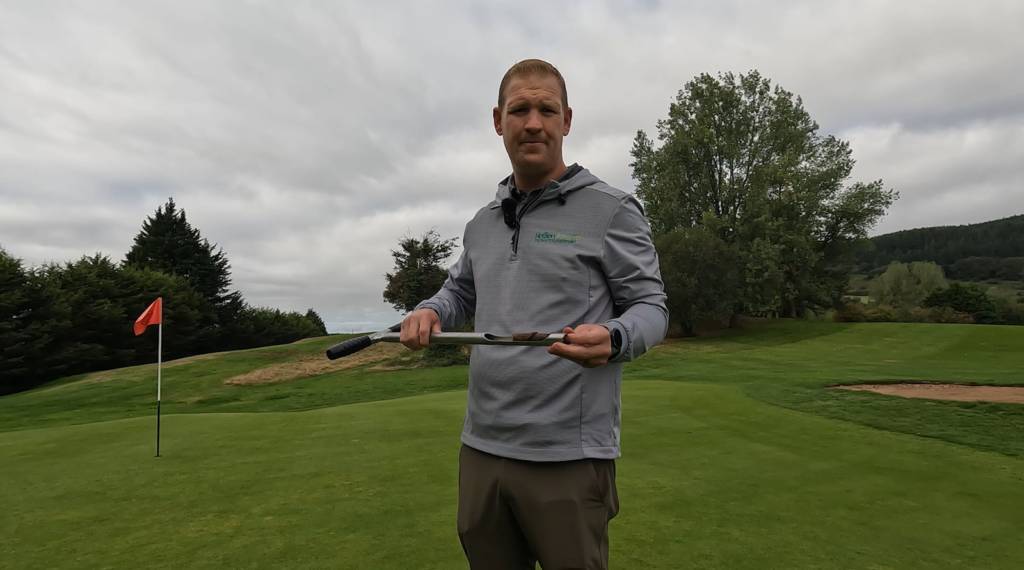
Start With a Representative Soil Sample
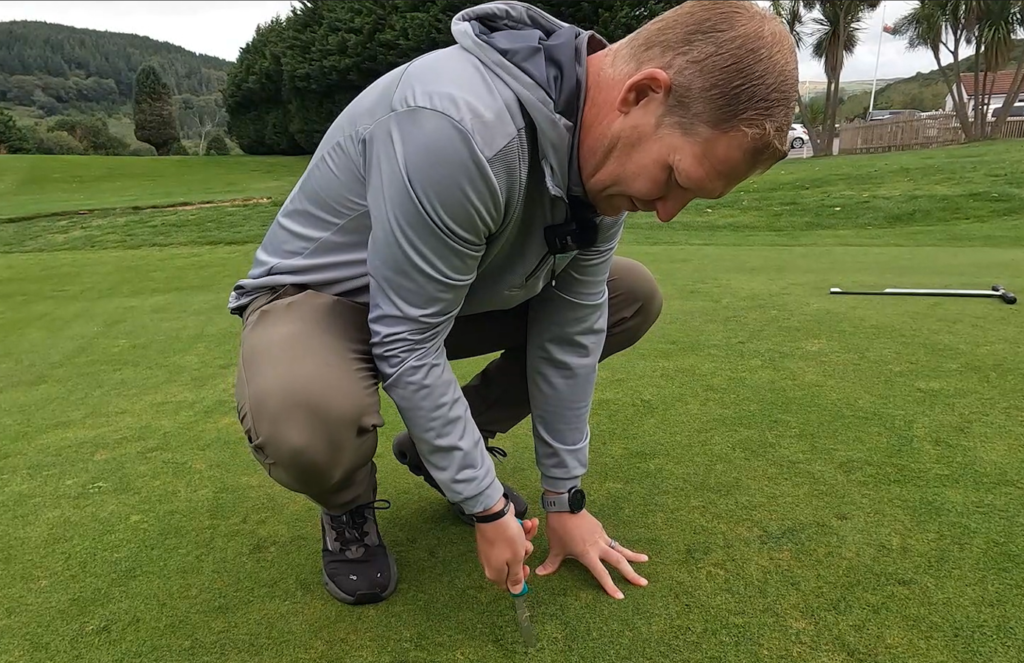
When you’re taking samples from a green, Rhys recommends using a random spread of locations rather than repeatedly sampling the same area.
For a standard sample, we’re looking to take cores to a depth of around four inches. These can then be bagged up ready to send to the laboratory for analysis.
Before you do that, take a closer look at them. A laboratory analysis gives you data that you can’t get simply by looking at the soil, but your own observations provide helpful context. Combining the two can give you a much better understanding of what’s happening in the root zone.
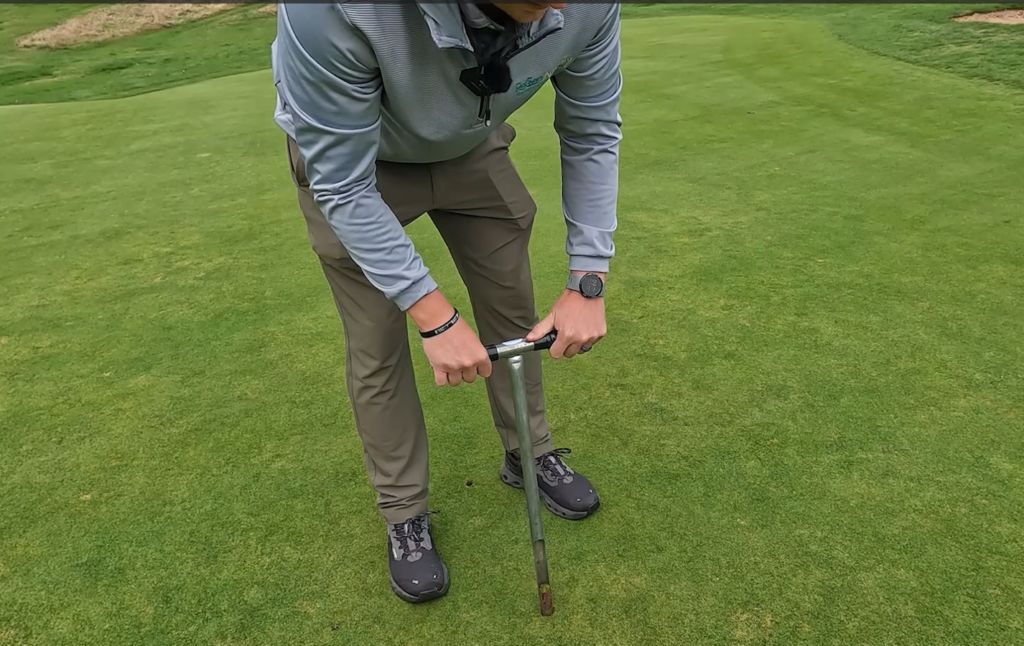
Look at the Colour of the Soil Profile
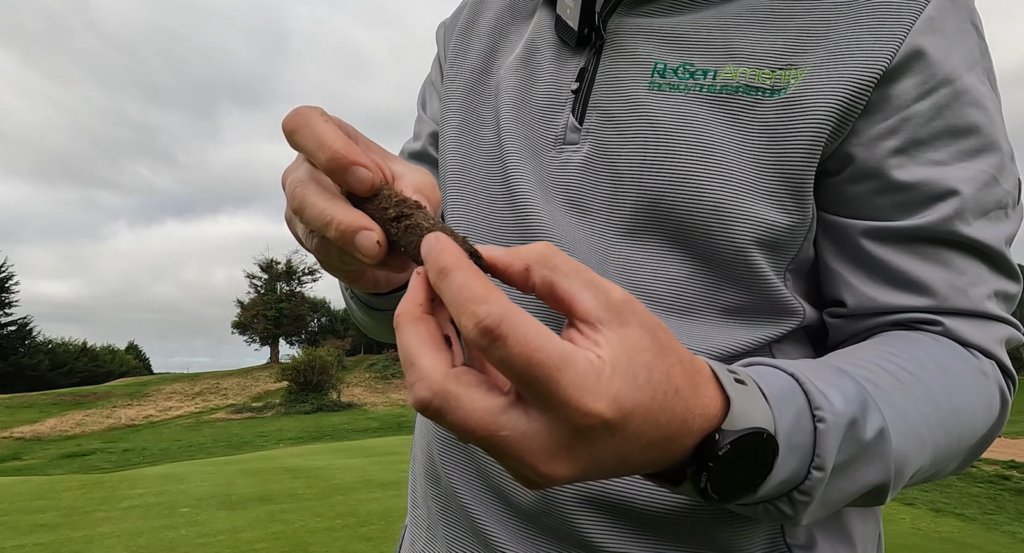
One of the first things to examine is the colour distribution throughout the profile.
Rather than simply looking at the surface, inspect the entire core and see how its appearance changes with depth. Darker areas, for example, can help you identify layers of organic matter, andorange staining can indicate a build-up of iron.
Rhys explains that you’re looking for differences and patterns throughout the profile that might help you understand the conditions beneath the turf. The more samples you examine over time, the easier it becomes to recognise what’s normal for your greens and where something looks different.
Check the Roots and Moisture
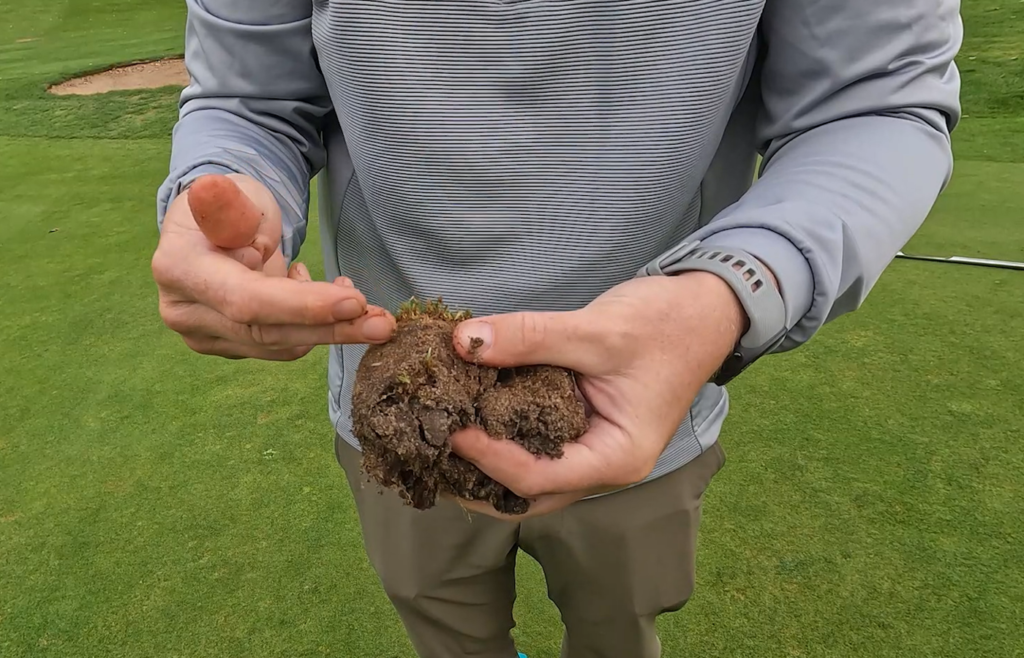
Next, break the sample apart and take a look at the root system.
Look at where the roots are growing and how far they extend through the profile. You can also squeeze the soil in your hand to get a feel for how it is holding moisture.
These simple checks help build a picture of what’s happening beneath the playing surface and can highlight areas that might deserve closer attention.
Pay Attention to the Organic Matter Layer
The organic matter layer is another important part of the profile to examine. Measure its depth, but also pay attention to the physical condition of the material. Rhys explains that a particularly tight thatch layer can cause problems, so depth alone doesn’t always tell you everything you need to know.
For a closer inspection, it can be useful to remove a larger section of turf with a knife rather than relying solely on a narrow core. A larger sample makes it easier to see the different layers and get a clearer picture of the structure of the green.
That information can then help you decide which areas you need to target and, importantly, what depth you need to target when carrying out maintenance work.
Get to Know Every Green on Your Course
One of the most important points from our session with Rhys is that not every golf green is built the same. Even greens on the same course can behave differently, particularly if they were constructed at different times or using different materials and methods.
Rather than assuming that what you find on one green applies everywhere, spend time getting to know the individual profiles across your course. Regular sampling and observation can help you understand those differences and make decisions based on what’s happening below the surface.
Use Your Own Observations Alongside Lab Results
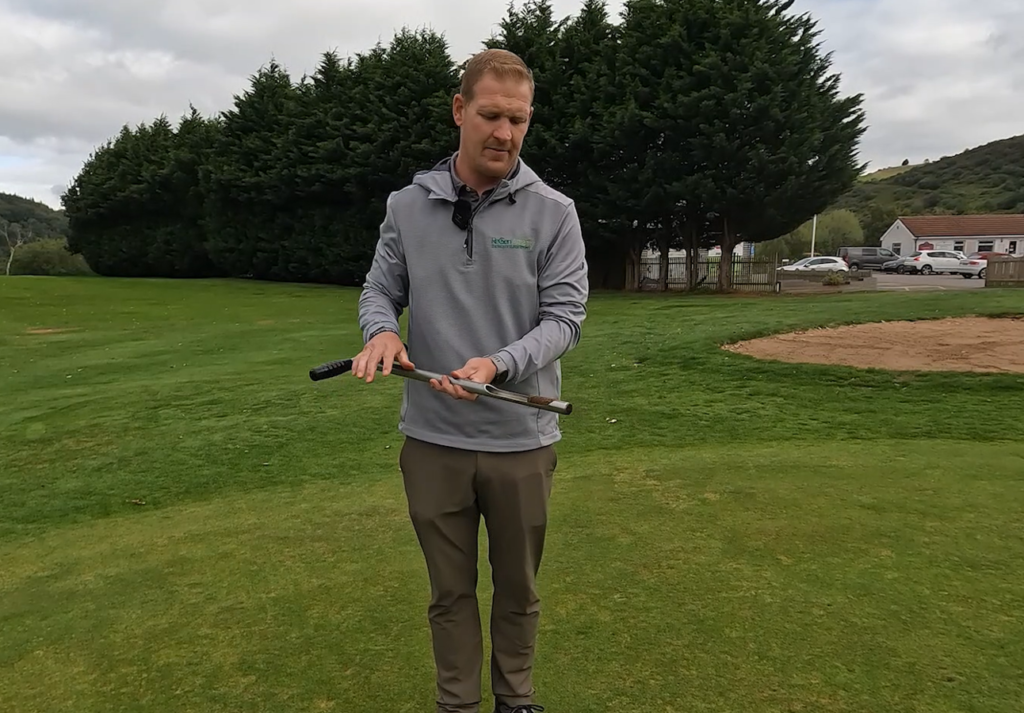
Sending samples to a laboratory is an important part of understanding soil conditions, but there’s no reason to wait for the results before you start learning from your samples.
Look at the colour, smell the soil, break it apart, examine the roots, feel how it holds moisture, and measure the organic matter layer.
None of these observations replaces proper laboratory testing, but together they can give you useful context and help you ask better questions when your results come back.
To find out more about Regen Amenity’s soil testing service, visit Regen Amenity or contact Rhys at sales@regenamenity.co.uk.