
As a greenkeeper, you’ll attest to the fact that you often know what needs to be done long before anyone else sees the problem. You’ll be the first to notice subtle changes in firmness, water movement, surface performance, and other aspects of plant health simply by being on the course day in, day out. You know what needs to be done, but when it comes to explaining your observations to decision-makers who may not fully understand turf management, that’s where you’ll probably face your biggest challenges.
If you’re all too familiar with having your requests turned down by your club or management, you’ll want to look into data collection. This service has become increasingly useful within golf course maintenance and typically involves testing moisture levels, infiltration rates, firmness, and organic matter.
You receive measurable evidence that you can use to support your maintenance plans and equipment requests, which can make all the difference when it comes to getting what your team needs. Instead of simply saying that greens are holding too much water or that compaction is becoming an issue, you can present graphs and trends that clearly show what’s happening beneath the surface.
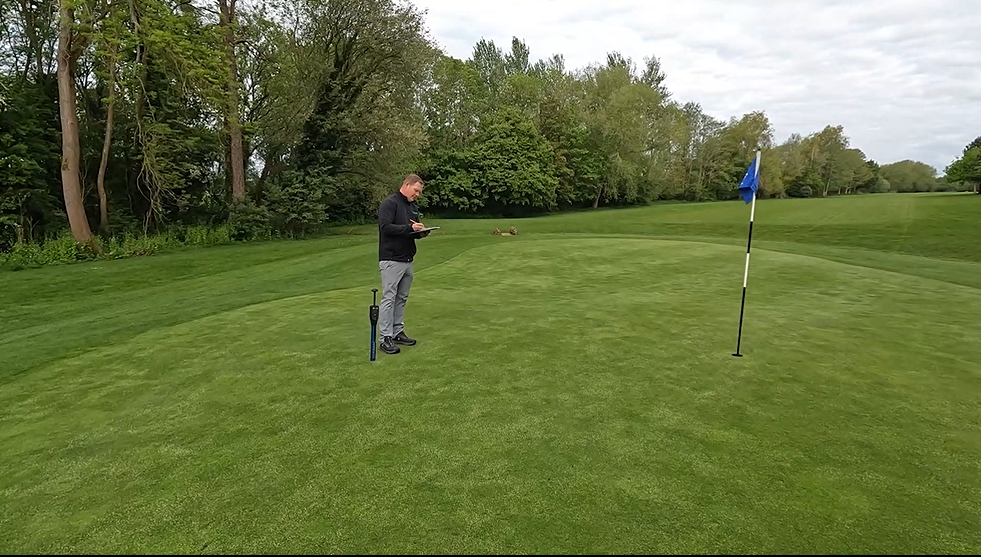
In a recent chat with IGFH, Rhys Norville of Regen Amenity explained how testing often helps greenkeepers gain support for work that may otherwise face resistance. An example from his own experience involved a course with a severe pan layer sitting several inches below the surface. The greenkeeping team had already identified the issue and wanted deeper aeration equipment, but the disruption concerned the committee. Once the team presented their test results, the club understood the problem and approved the work.
That kind of situation is common across the industry. As greenkeepers, we frequently carry the pressure of defending maintenance decisions while also trying to maintain playing standards throughout changing weather conditions. Data gives us a stronger position because we can move the conversation away from opinion and towards measurable facts.
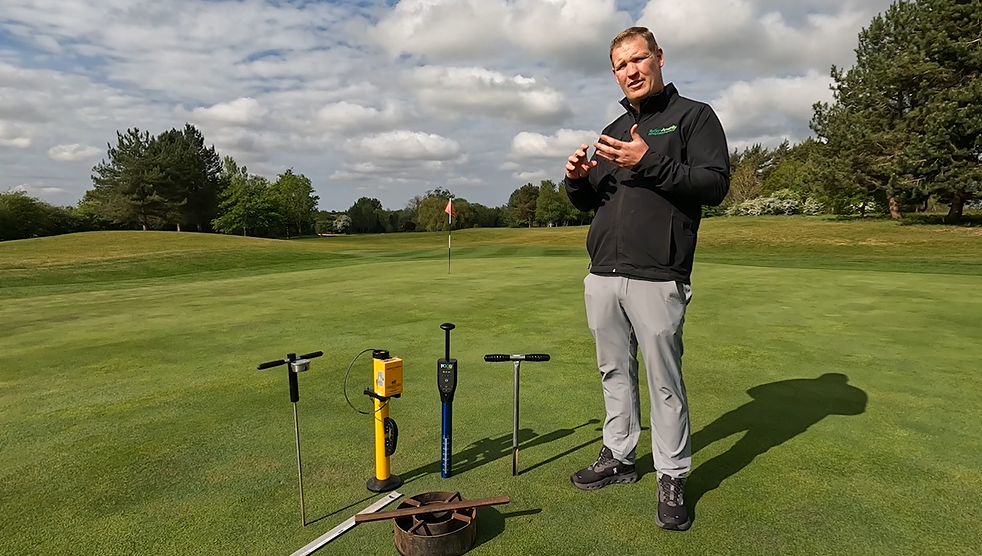
The reporting side can be incredibly helpful. Raw figures alone are unlikely to mean much to committees or members, especially if they’re unfamiliar with agronomy terms. But good reporting goes a step further, translating technical information into something that’s easier to understand through graphs and practical explanations.
When it’s presented properly, the data shows why certain work needs to happen and what improvements clubs should expect over time.
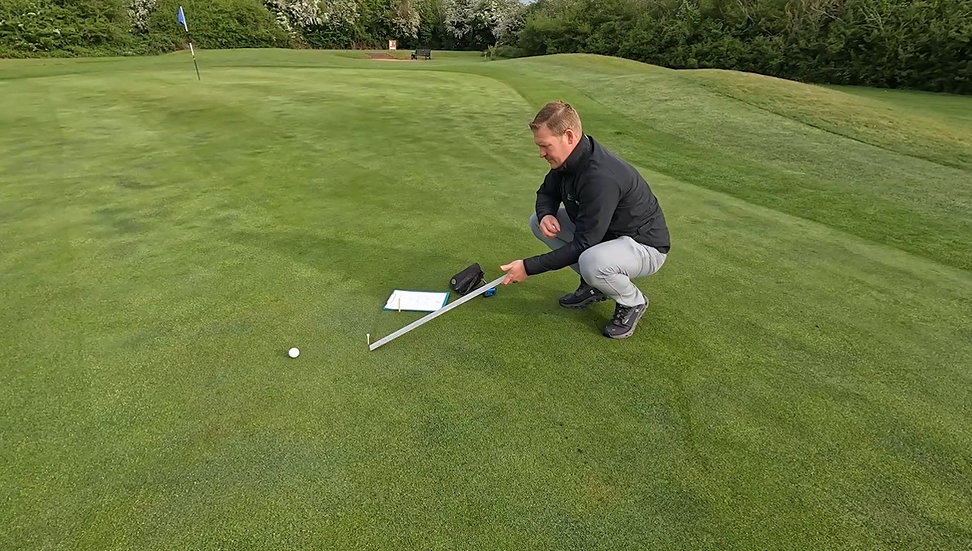
Data collection also helps a lot with expectation management. As we all know, turf improvement rarely happens overnight, but it can be difficult for clubs to understand this the way that we do. Testing helps your team track trends across seasons rather than expecting instant results after one maintenance operation.
You can use this data to show that progress is happening gradually, even if conditions might not be perfect every single month.
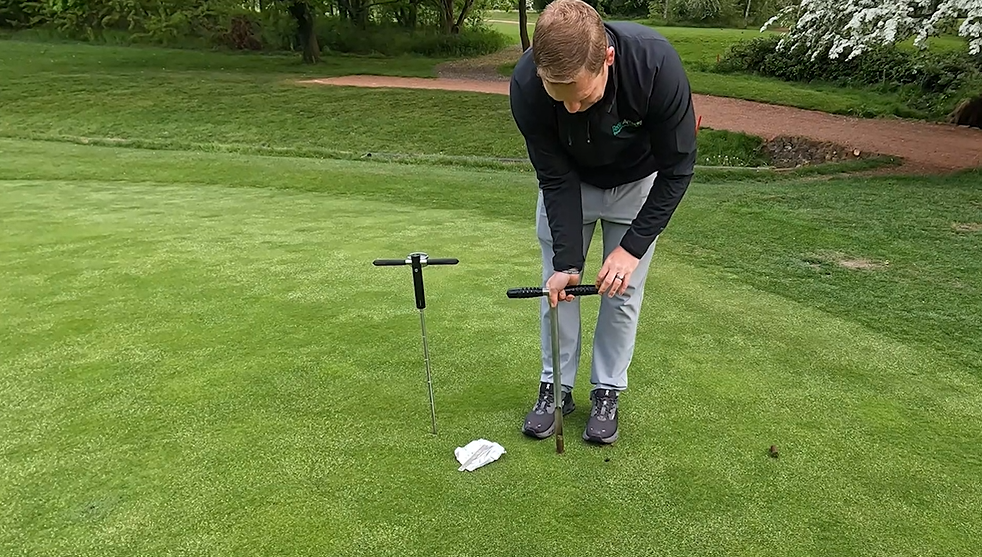
The pressure on turf teams continues to grow. Golfers expect better year-round playing conditions, but many of us are dealing with increasingly tighter budgets, and weather patterns are only becoming less predictable. Having access to reliable data might not remove those challenges, but it helps us explain our decisions and give clubs a clearer understanding of why certain work matters.
To find out more about Regen Amenity’s data collection service, visit Regen Amenity or contact Rhys at sales@regenamenity.co.uk.