
Golf course maintenance has always relied on experience, observation, and timing. Those things will always matter, but more clubs are now using data to back up their decisions and build a clearer picture of how their greens perform across the year. We recently spoke to Rhys Norville of Regen Amenity, one of the leading providers of data collection services for golf courses and other sports venues across the UK.
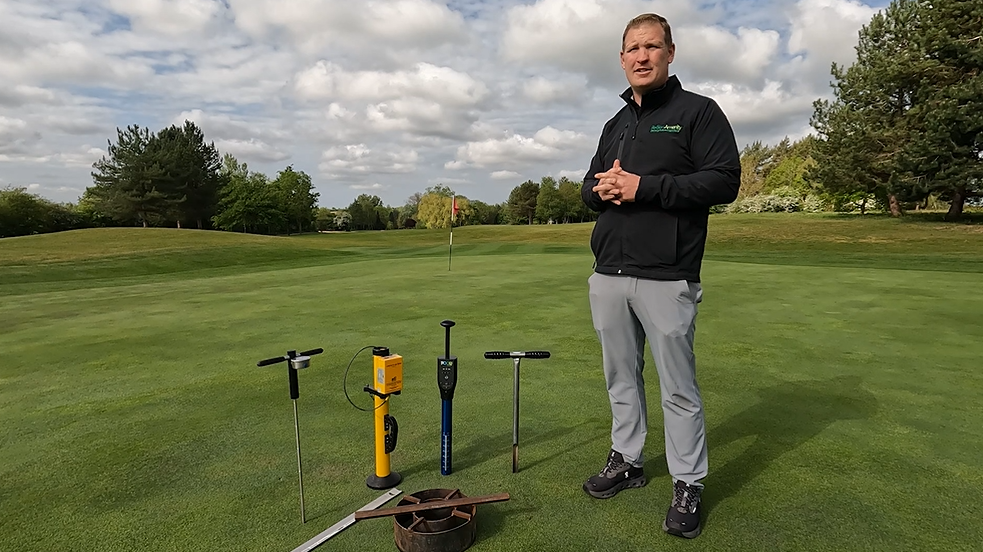
Owned by Rhys Norville, Regen Amenity supplies fertilisers, wetting agents, and biostimulants, but one of the company’s fastest-growing services is data collection and analysis for golf courses. Regen’s aim is straightforward: to help greenkeepers understand what is happening beneath the surface, so they can make informed decisions on maintenance practices and long-term planning.
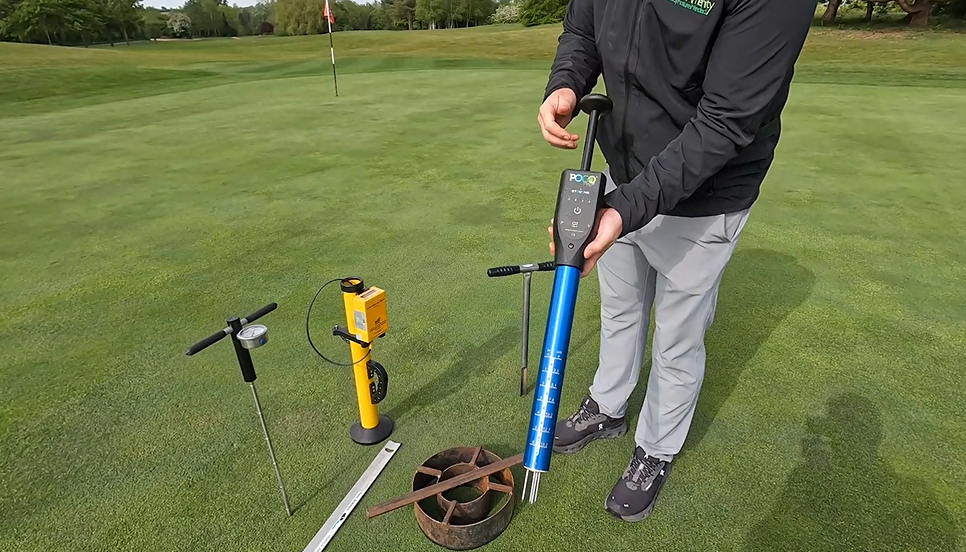
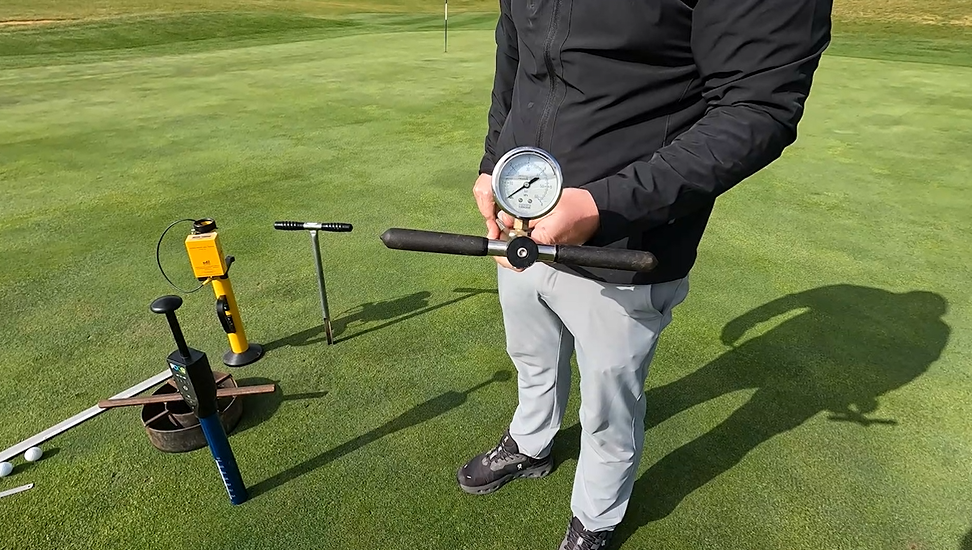
The testing covers a wide range of areas. Rhys uses a Pogo to measure moisture levels and a Clegg Hammer to assess firmness, also testing infiltration rates to see how quickly water moves through the profile. Regen Amenity also carries out loss on ignition testing, which measures organic matter levels within the upper profile.
On golf greens, Rhys also looks at Stimpmeter readings, not simply to measure speed, but to assess trueness and consistency.
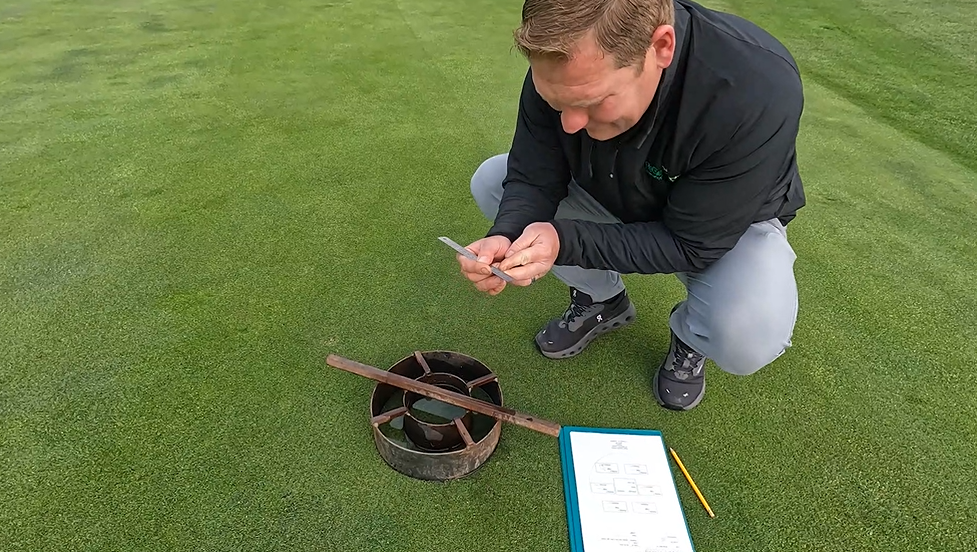
With this information, course managers and greenkeepers can connect the dots between surface performance and the work being carried out on the course. As Rhys explained, a green might hold the correct moisture level but still be lacking firmness. In many cases, organic matter management could be the cause. Another site might produce firm greens during dry summer weather but struggle badly once rainfall increases because infiltration rates are too low. Without testing, those problems usually stay hidden until conditions become difficult.
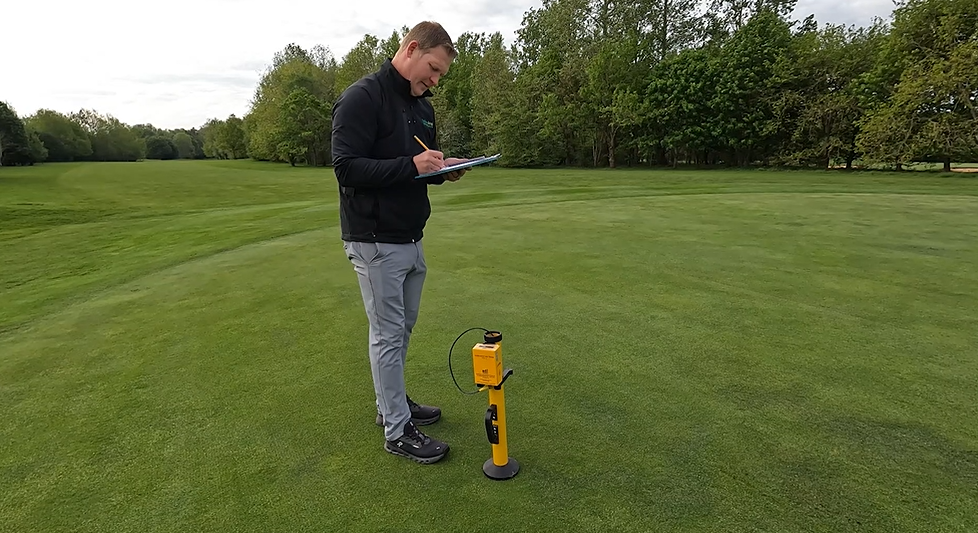
Regen Amenity uses the collected data to create reports with graphs, including targets and written explanations, along with personal recommendations that suit each individual site. Rhys explained that every course is different when it comes to limitations, budgets, construction methods, and expectations. That’s why he builds each report around realistic goals instead of generic figures copied from another venue.
The service has also become popular before tournaments and major events, since it allows greenkeepers to benchmark their surfaces ahead of competitions and understand exactly where conditions stand instead of relying on guesswork. That makes it easier to see measurable results and adjust programmes as needed.
If you’re looking to improve surface performance and build a clearer long-term plan, services like this make a lot of sense. Data collection will never replace experience, but it gives you stronger information to work with and helps move conversations away from assumptions.
To find out more about Regen Amenity, visit Regen Amenity or contact Rhys at sales@regenamenity.co.uk.