
We recently sat down to chat with Jack Churchman, owner of CutCrew, which offers sports turf and commercial grounds maintenance. Jack became interested in the industry from a young age, as his dad was the chairman of a local golf course. He followed his 9-year stint in the military with a job that he didn’t enjoy, before moving into greenkeeping on a voluntary basis as he started his business on the side. Now, CutCrew is thriving, having doubled in size every year since it was established. Jack shares all about how he was able to grow his company while also establishing a successful YouTube channel in this interview.
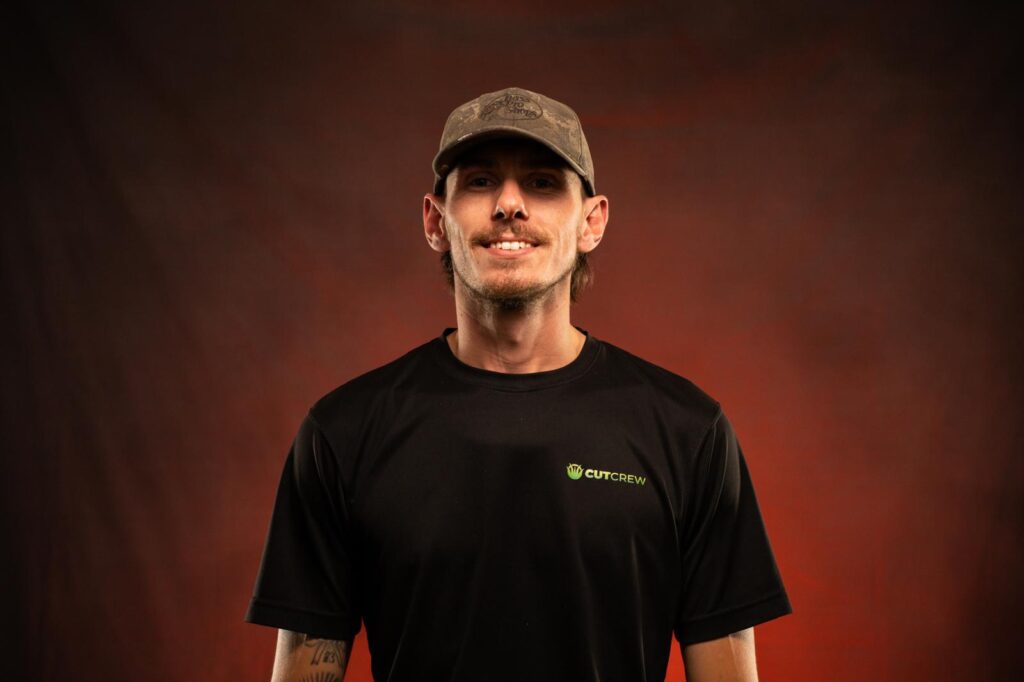
Q: Hi, Jack. Tell us a bit about CutCrew.
A: It’s a bit of a strange story if I’m honest. I grew up on a golf course, found myself in the wrong crowd at school and ended up joining the military for nine years. When I left, I got a job as a project manager for a European company and just wasn’t happy. I ended up dipping my toe back into sports turf on a voluntary basis, helping vulnerable people and NHS workers out during Covid. I then decided to take my business seriously and remortgaged my house, bought all the kit I needed, and here we are.
Q: You have quite a presence on social media, including YouTube. How did that side of things come about?
A: That also stems from Covid. I set a couple of projects up to keep my mind busy and focused after leaving the military. It was actually my nan, she kept texting me and asking how to make her lawn look better. I thought, “You know what, I’m going to make a YouTube video on that”, and it just went mental. Then, when the business started getting better, I really wanted to document the journey, so I could look back during times of struggle and see how I got over problems before. It all just grew from there, really.
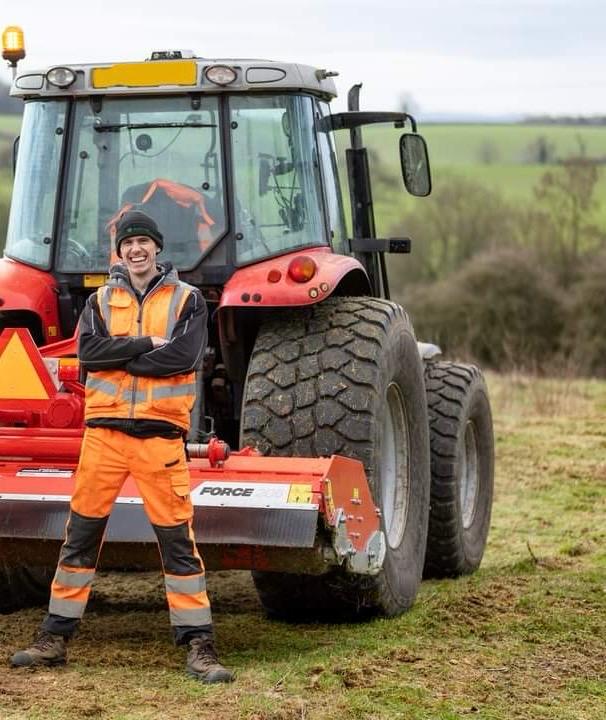
Q: Can you tell us more about this growth phase for your business?
A: Year on year, we’ve doubled every year in growth. In my area, there was a big shortage of maintenance within schools because they were maintained by councils, and all the council workers got furloughed during Covid. It wasn’t where I wanted to be; I wanted to be in sports turf, which is what I know and love. But it paid the bills, and we took things bit by bit. We’re now in a position where we look after the majority of grassroots clubs in our area, and we’ve worked for international teams that have flown over and borrowed pitches, all the way up to League 2 teams. This year, we’re trying to build on renovations with more transport to get us across the country. Hopefully, it all falls into place.
Q: That’s incredible. With all this growth, what is your signature touch for CutCrew?
A: It sounds extremely cliché, but we just work harder. Everyone in our area produces really high-quality work; however, we will be there on a Saturday and a Sunday. For example, we had a game on one of our clients’ pitches last Saturday and it got absolutely battered because of the weather. We did two all nighters over the weekend, then worked all Monday. I don’t see any other contractors doing that. We’re a first-generation company, it’s not been passed down, so we have to work harder. We have to show up and produce constantly. So, yeah, I would say it’s the man-hours that we output. We’re covering around 100 acres a day with a three-man team.
Q: Wow. And how do you manage that in your team of three?
A: It’s really difficult. Because of what we do, you kind of need a switch in your head. You could be doing some work with a client that you deem to have a lot of money, but they simply ask you to cut the pitch. So, yes, we could spend all day there making sure everything’s perfect, but we’re not getting paid for that. Because of who they are, you want to put out the best quality that you can, but then you’ve got a grassroots company that’s paying you more money because they don’t have the knowledge or the support staff or volunteers to do the other things around it. It’s just recognising the scope of work provided by the customer and delivering on that. Every client is different when it comes to budget and quality threshold in terms of how much money they can put into a pitch. You kind of just have to sit on that. You can be a busy fool. Everyone in our industry has immense pride, but you can constantly chase your tail if the money’s not there.
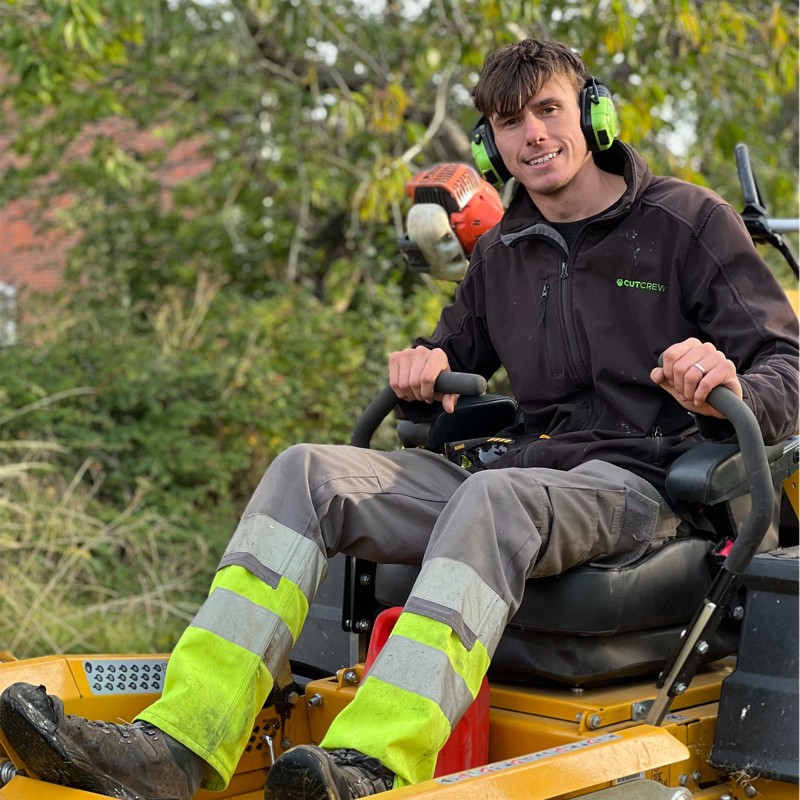
Q: With all the different jobs you take on, how do you diversify your skillset within your staff?
A: All my team members are either ex-groundsmen from football clubs or ex-greenkeepers. In my interviews, I do outline that we do do boring stuff as well. We go through training and try and liken it to jobs on the golf course. There are certain jobs that we don’t like that do, but they have to be done either way. I’m lucky that I’ve not had many issues in doing that. Most of the guys just want to get on with it and produce decent work.
Q: What does a normal end of season look like for you with your pitch maintenance jobs?
A: Our renovations are our busiest time of the year. I’ve not seen another contractor do it how we do it. We kind of have a block renovation week, because all our football clubs locally are within the same leagues. All of our pitches are on different scopes. last year, I don’t know how many pitches we seeded, but they were all done within two and a half weeks. I was sleeping in the tractor, just getting it done. Our renovations are different at every site, but we generally do everything in stages, and it’s relentless. It’s a relief when all the work is done and we know all we’ve got left to do is grow the seeds.
Q: Once there’s a pitch in play and we’re well into the season, what sort of practices do you adopt as a team to ensure the longevity of turf?
A: It’s really difficult. Again, you can only give your clients advice. If they listen to it, they listen to it. If they don’t, we’ll be here to try and fix it and make recommendations. We’re going through it at the minute with one of our football centres, which has four games a week on average. Anyone in sports turf knows that it’s really hard work. We’re already starting to lose grass, we don’t have any time to recover it, and we’ve got people on Twitter saying X, Y, and Z. Everyone knows how to be a groundsman when it goes wrong. Every site is different, so it’s just managing with what you’ve got. I send weekly emails with recommendations, and it’s just about that communication.
Q: How do you demonstrate your value to your clients?
A: We’re not great at this, actually! We don’t push potential customers, and we don’t really make claims about what we can offer. We let our work speak for itself. We kind of just show what we do and let that do the talking.

Q: Do you have any goals as a company?
A: I don’t want to be a national company. I’m happy with our region. But if we could go out in a lorry and assist grounds teams with a renovation within a company, then I would look to do that. I’m not looking to travel the country and take on work with other contractors. There’s so much out there that none of us needs to do that. In terms of growth, we’d eventually like to pull out of our parish council jobs and solely focus on sports. Only time will tell. I don’t really set goals for stuff; we just try to do better.
Q: Do you think your presence on YouTube will grow with this?
A: Sometimes I wish I hadn’t started a YouTube channel because we’ve seen the bad side of social media. Our old unit was torn apart and we had our kit nicked because people knew what we had. But I do think it’s important to carry on with it, to show people who want to make that jump from a golf course to running their own business but are scared. Even if one video helps one person fulfil what they want to do in their life and be happy, then it’s worth it for me. I think YouTube will naturally progress, but it’s not something that we openly want to happen.
Q: What would you say good maintenance really is?
A: It depends on what you’re trying to achieve. If it’s just a school field and you’re trying to keep it playable for PE games, that’s completely different to trying to manage a football pitch. Generally, good maintenance from a contractor should be noticing when changes need to be made. I normally try to save money where we can, since good maintenance comes from honesty and communication. If a client does have a budget issue, see how you can advise them on bringing some money in. Just communicate and give your advice. If they don’t take it, that’s fine. As long as you’re doing everything correctly, you can’t go wrong.
Q: Can you talk me through the different practices used in sports turf versus amenity areas? Are any practices transferable?
A: What we do is biology; we’re looking at plant health and soil health. The main difference is the dressing you use and the height of cut. But the core principles for amenity grass and sports grass are the same. If you did want to take that to the next level, then yes, you would adopt a material or method that you did use in golf, for example. But essentially, it’s all the same science.
Q: What are the biggest mistakes you see clubs making when it comes to managing sports turf?
A: One of the biggest ones I’ve seen this year is just pumping more fertiliser on. It’s not growing how it should due to maybe a lack of water or bad practices, and they just pump more fertiliser, hoping that’ll sort the issue. I’ve also seen bad timing of things like seeding.
Q: What’s your favourite part about working in sports turf?
A: Fixing when you’re really up against it, when people are telling you it’s not possible. Sticking to those key principles and making it happen.
Q: What’s the most challenging problem you’ve faced?
A: Dealing with the reliability of machinery or staff.
Q: If you could switch roles with any other turf professional, whose role would you choose and why?
A: I’d probably pick someone from Lorde’s Cricket or a county cricket facility because I know we’ve got lots of experience in the renovation side, but I’ve not had much time around the day-to-day, so it’d be good to bolster that section of knowledge. Other than that, I’d like to be a kitman at a football club. Ironing kit sounds right up my street.
Q: How do you unwind and relax after a challenging day at work?
A: I don’t! If I’ve had a bad day at work, I’m probably nine times out of 10 doing an all-nighter. I seek my unwind in just getting it done, and if it has been a bad day, I just find solace in getting the answers. I don’t leave anything until the next day; I just get on with it, find a solution, and then I can relax. I don’t really unwind, if I’m honest. Every day’s a work day.
Q: Can you share a funny or unexpected moment that’s happened during your career?
A: We had a couple of premiership clubs come and use one of our facilities for pre-season stuff. They were chatting to me, saying, “Bloody hell, your boss must be making a fortune from this. We’d really like to use your services, have you got his card?” I’m just sitting there like, “Yeah, that’s me.”
Q: What has been the most rewarding aspect of your job?
A: I really like working with people who’ve got small budgets but big visions. One of the clubs we’re looking out for at the minute, they’ve got really high aspirations, but budget isn’t there. We’re all working together to achieve what they want to achieve. Sometimes you get looked over, but there are times where a club really appreciates what you’re doing. When you didn’t think something would happen, you didn’t think the game was going to go ahead, and you’ve relentlessly worked on it that week, just watching the game is a nice feeling.
Q: What’s one piece of greenkeeping equipment that you couldn’t live without?
A: My divot fork. It’s irreplaceable. It was passed down to me from my Grandad. If I had a machine go down or I lost a machine, I’d just replace it, but I can’t replace my divot fork.
Q: Who would you say has had the biggest impact on your career, and why?
A: This is going to sound like a really cliché answer, but probably my son, because when I set the business up, it had to make money because he’d just been born. That was a massive driver. Apart from family and friends, there are so many people I could mention, but there’s a local man in my area who’s been working in the industry for years, and I can always come to him for advice. There’s also Duncan Steele, the head greenkeeper at The Millbrook Golf Club (in Bedfordshire). If I’m struggling with an issue, he’ll have an answer.
Q: And finally, what advice would you give to new people wanting to join the industry?
A: Create your own journey. If you do end up in the industry, constantly try to push yourself. If you’re at a club that isn’t interested in investing in you, move on. Constantly strive to increase your knowledge. Even head groundsmen and greenkeepers are learning something every day. I they say they’re not, they’re lying! Keep striving and take the first step.
Big thanks to Jack for giving up his time to speak to us for this issue. You can find him at CutCrew Limited on Instagram, YouTube, and Facebook.