
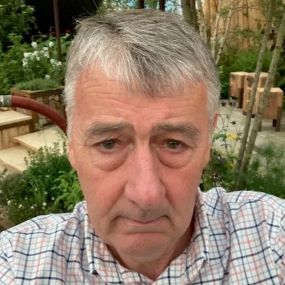
In this interview, we’re speaking to Greg Smith, who has over 40 years in the industry, starting out in 1983 and managing various stadiums and environments across Nottingham, UK, from grassroots all the way up to professional sports with Notts County. He’s now overseeing major facilities at the University of Nottingham.
Q: How did you get into a career in groundsmanship?
A: I left school without many qualifications. I went to Boots (the chemist), which has a sports ground in Nottingham, and I was supposed to do horticulture, working in the greenhouses that produced the bedding for the different displays in the offices within the company. I did a year at Boots, at Lady Bay Sports Ground in Nottingham, which has three rugby pitches, three cricket squares, a bowling green, grass tennis courts, hard courts, and two hockey pitches. One of them was converted into the first synthetic pitch in Nottingham city. I came through the YTS system, which is why I’m into the apprentice systems now.
I then went to work at the National Watersports Centre for the Sports Council. I did five years there in a horticultural-based role. Then, a job opportunity came up at Boots, so I returned there and spent 15 years there. I was a groundsman looking after the pitches and doing some amenity horticulture. We had professional clubs that used the venue, including Notts County and Nottingham Forest. Their manager at the time, Brian Clough, was an influence to me then. I’ve always enjoyed horticulture — that is my be-all and end-all, not just sports turf.
Q: What was your daily routine when you were working at Boots?
A: To begin with, I looked after the tennis, preparing the courts for local games. We had 14 grass tennis courts; three for matches, and the rest for staff use. Later, I also looked after bowls and a bit of cricket. I also did a bit of football and rugby. Boots were moving towards a commercial focus, and the pitches were being used every day rather than just on the weekends.
Q: You also worked at Notts County in the early 2000s. What was this experience like?
A: I was very lucky to get the job. In 2004, we came runner-up to Northampton for Pitch of the Year. It was a commercial world. We had concerts on the pitch for church groups, so we were always under pressure. I think one year, we only had a six-week window to renovate, which was unheard of at that time. I remember a week when we played Derby County on Tuesday night. As soon as they were gone, we put a stage on the pitch until Sunday. Then, we played our first division game the following weekend. It was the greenest pitch I’d ever seen; we did a real top job on it. In 2010, Nottingham Rugby Club came in, and we had to take it to ease the financial pressure that Notts County was facing.
Q: What would a typical match day look like for you?
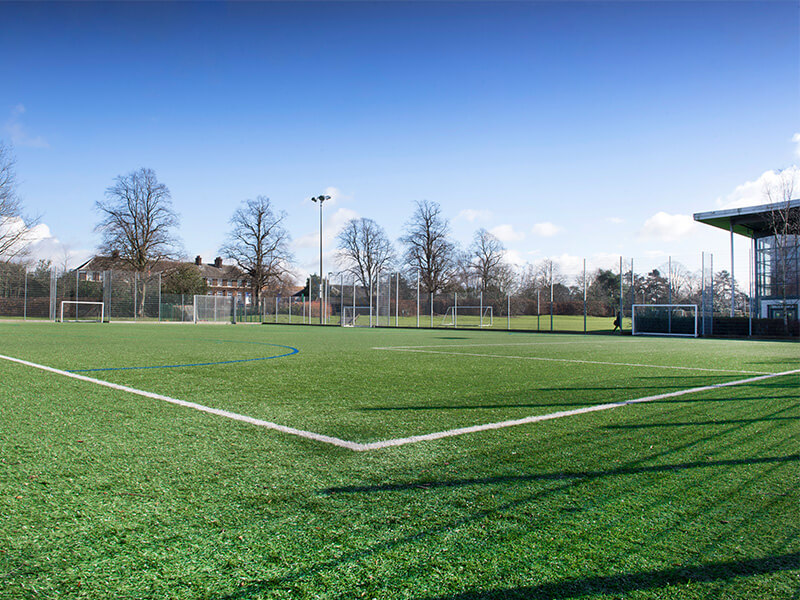
A: At lower league level, the process is probably different to the Premier League. We’d start preparing the pitch on a Friday for a Saturday afternoon game. We’d mow on Friday, or in the summer, mow Saturday morning, then mark out. We had wheel-to-wheel markers, and we’d string the area. We’d finish around 1 PM, then the warm-up goals would go out. We used to put a bit of seed down around the goalmouths if we could. We’d meet the referee at 1:30 PM. After the games, I was never big into mowing because we had rugby on Sunday, so we’d be greening out and marking out on Saturday night. We’d start divoting on Monday.
Q: Did you ever have a moment where you thought you wouldn’t be able to pull off a quick turnaround before a game?
A: Yes! We were playing Barnett on a Saturday during a snowy week. The temperature had risen, which had led to a watery mush forming on the pitch. The manager wanted to play, so I went to Trent Bridge and asked to borrow their sopper. They said we could, as long as we could get someone to pick it up for us. I went to the local mower dealer and asked if they could help. We sopped up the water, and we were able to play. Barnett were amazed.
We also had a Chesterfield game, and this is where I started doubting myself. We’d played the Saturday before, and I couldn’t get the frost cover on; it was that solid. We needed to play because the place was full, with 15,000 people. But every day, the frost never lifted. I don’t know what made me think of it, but when I turned up on Saturday morning and it was still solid, I put a sarel roller on the back of the tractor and went up and down the pitch all day. When the referee turned up, he said to me, “This pitch is perfect.” We played that day at 3 PM, and I think we drew.
Q: Moving back to the present, tell us about your current grounds setup at the University of Nottingham.
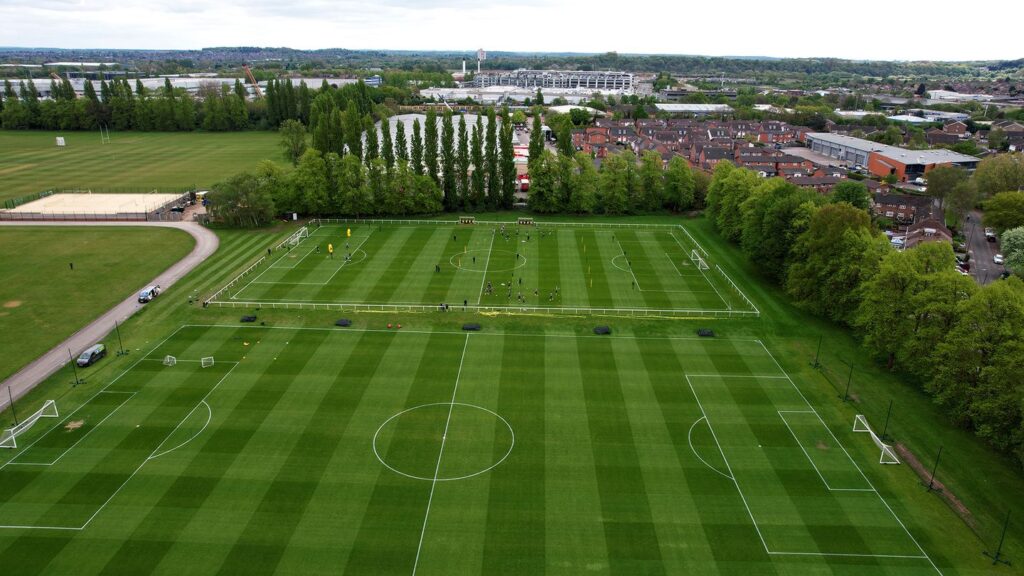
A: We’ve got two sites: Highfields and Riverside. Highfields is the Premier League when you look at the university side of it. We have Notts County here that train on their own hybrid that was put in last year, and we have our first team rugby team, too. We’ve got a first-class rugby pitch, including floodlights, that was relevelled last year.
Universities are changing. The commercial side of it comes into play more. 20 years ago or more, Boots was changing; now we’re changing. Rugby in particular has grown hugely here, and we had to expand our facilities to cater to demand. What we’re now looking at is how to improve those surfaces for the players.
Q: What’s the main difference in the pressure you’ve faced working at the university compared to Notts County?
A: The pressure of the professional game isn’t there. When I was at Notts County, I had 27 football managers, seven chief executives, and six chairmen within 15 years. The pressure is still there at a university, but less so. You still have your own pressures.
When I came here, there had been some neglect, and the staff morale was low. I came in on June 15th, and by December, we’d gone from playing 58% of sport to 98%. For me, it was getting the team together and working together better. The university gave me the opportunity to review the existing setup, and I brought everyone together to Highfields from the different sites. We’ve centralised everything we do, so it’s logistically more workable.
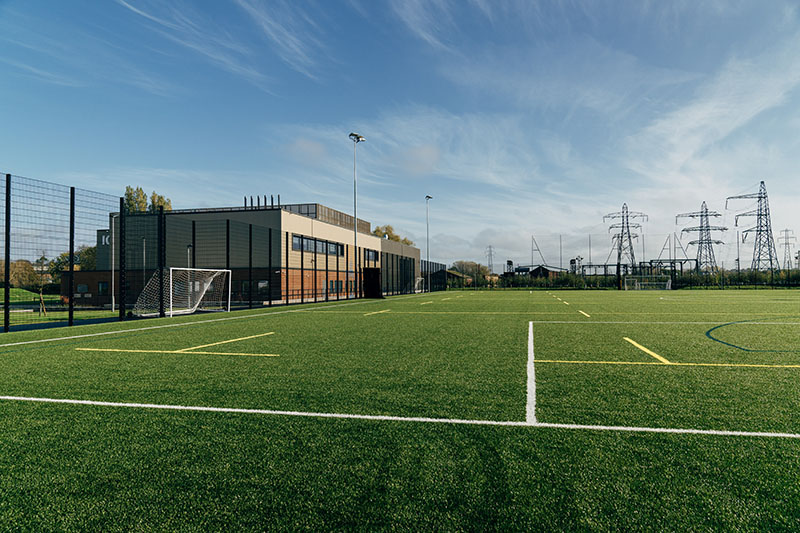
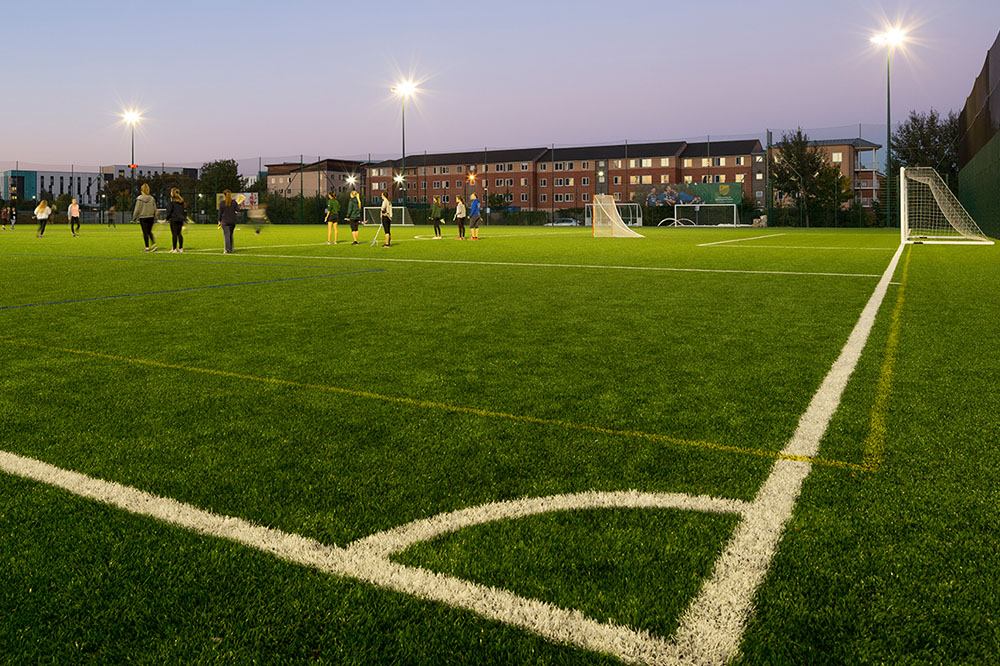
Q: You recently won an award for your synthetic surfaces (Best Maintained Artificial Pitch of the Year award at the annual IOG Awards, achieved in 2017 and 2018) at the University of Nottingham. What was it like for your team to win that?
A: Any accreditation like that is brilliant because it helps financially. The team that I’ve got around me, for them to win that award, it’s influential to them, encouraging them to take the next step. When I first came in, we only had a contractor looking after the artificial pitches. The first thing I did was to bring that in-house. When we got the award two or three years later, people understood why I did that. I then got a new contractor in to do the deep cleans. As a grounds manager, you have to look at everything closely, and that’s what I will always do.
Q: Sustainability has been a relatively new focus for turfcare in the past few years. Can you talk about your sustainability practices at the University of Nottingham?
A: We have two robotic line markers and a robotic bank mower that does all our bank work. We used to mark 40 frisbee pitches out at Easter. Now, you’ve got somebody mowing in front of a robotic marker, and it takes three days instead of two weeks. When we bought the first marker, I thought we’d have to lose a staff member, but we didn’t. We’re just now able to focus our staff on other areas.
Q: What’s one standout moment of your career that you still remember now?
A: Going back to my time at Notts County, it was when we managed to prepare the pitch in time for the Chesterfield game. I just didn’t think we’d get it on. That was the turning point for me to come to the University of Nottingham. I thought, “I need to move on”, because I’d got there. Leaving Boots to go to Notts County was another standout moment.
Q: Are there any particular members of staff who have really inspired you in your career?
A: Steve Birks at Trent Bridge, definitely, and Ron Allsopp before him. When I got further into it, people like Roy Rigby, Lee Jackson, or Mark Robinson; I asked him for advice when we first had to put a stage on at Notts County.
Q: What was the first mower you remember using?
A: It was a Suffolk Colt, in my mum’s garden. I used to like cleaning it down, making sure the blade was okay.
Q: What’s the biggest change in terms of machinery that you’ve seen over the years?
A: The introduction of robot machinery that you programme on an iPad. When we first got a robot machine, we specifically needed it for frisbee. We had to tell them a template; that’s how it worked. I couldn’t get my head around that one.
Q: Do you prefer apprenticeships or qualifications for groundstaff?
A: I’d like to see more apprenticeships. I think we’re lacking them. When I look at my own team, we had two apprenticeships four years ago. Two of those now have a full-time job, and I’m immensely proud that those two people have come through the apprenticeship route. You’ve got to have it in your blood, though. I started in my grandad’s garden, and my grandson does the same now.
Q: What would you say is one skill that a grounds manager should have outside of practical skills?
A: Communication. I believe in being able to speak to each member of staff, and being open and honest.
Q: In your opinion, what’s the most underrated job as a grounds manager?
A: The time you put in with the individual staff. I’ve seen staff come here, spend a couple of years here, get their certificates, and move on. Then, they’ll want to come back, knowing that we’ll always back them.
Q: Do you have any further career goals?
A: I enjoy every year; something new comes out. I’ll just keep on doing what I’m doing until I decide I want to leave. Some of the things we do are amazing. I never thought I could write a management plan for the two facilities at the university. I enjoy it.
Q: If you had to swap roles with any groundskeeping or greenkeeping team in the industry for the day, who would you choose and why?
A: I think it would be Neil Stubley, head groundskeeper at Wimbledon. I think it’s amazing what he does. That area of sport in Southeast London is a triangle that’s so small, and you’ve got some wonderful groundstaff. Either that, or Paul Ashcroft at Arsenal.
Q: How do you unwind after a difficult day at work?
A: I’ll go to my allotment for an hour. I used to have a drink; I don’t drink as much anymore, and I’m a better person for it. I’ll also go for a walk around the university campus. I’m proud of what we do.
Q: What’s the one piece of machinery that you couldn’t live without?
A: Obviously the mower! But every tool helps.
Q: What advice would you give to people considering a grounds role as a career?
A: Do your homework. Look around your local area; parks, your local university or football club. Volunteer, and don’t be scared to talk to people.
Big thanks to Greg for his time and wisdom in this interview. You can email him at gregory.smith@nottingham.ac.uk.
Want to be featured as a member? Email Brad at info@internationalgreenkeepers.com