

How to Become a Sports Turf Manager
We’re often asked what it takes to become a sports turf manager and whether it’s a realistic long-term career. It’s a good question, because many people first encounter the role through casual grounds work and don’t always see the bigger picture.
We’ve created this resource to break down what the job involves, including the skills you need and the qualifications that help you move forward.
What Does a Sports Turf Manager Do?
A sports turf manager takes responsibility for the condition and safety of playing surfaces. That might mean a football stadium, rugby club, training ground, golf course, cricket square, school site, racecourse, or multi-sport facility.
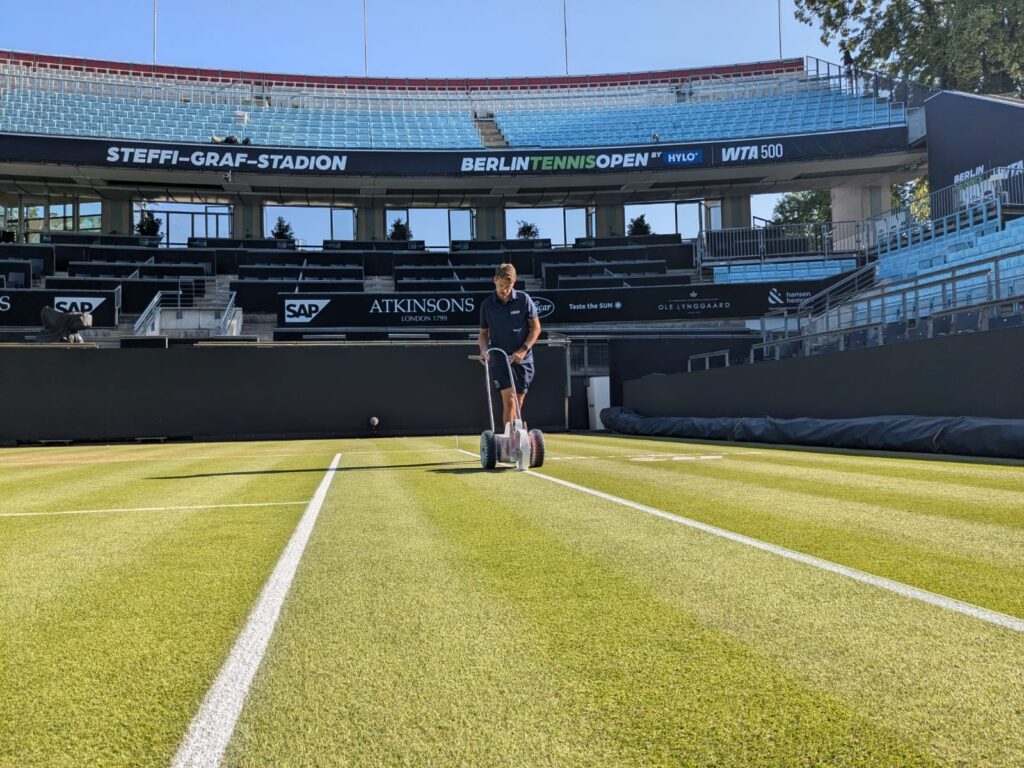
The role is physical and hands-on, involving the use of a wide range of equipment and machinery, like mowers, aerators, irrigation systems, sprayers, and scarifiers.
You’ll also be responsible for planning and budgeting, as well as staff supervision (if you’re managing a team). It’s your job to make sure that all surfaces under your management can perform under pressure and stay safe for players.

Your role will involve speaking with coaches, directors, players, suppliers, and contractors. Knowing how to communicate clearly will prevent misunderstandings and keep everyone’s expectations realistic.
The typical day-to-day responsibilities for a sports turf manager include:
- Planning mowing, aeration, feeding, and renovation programmes
- Managing irrigation systems and drainage
- Monitoring turf health, wear levels, and recovery
- Preparing surfaces for matches and events
- Operating and maintaining machinery
- Managing staff and contractors
- Ordering materials and controlling budgets
- Reporting to club directors and/or facilities managers
What Skills Do You Need?
Sports turf management sits at the intersection of science, engineering, and hands-on work. A strong manager should develop a wide skill set over time.

Turf and Soil Knowledge
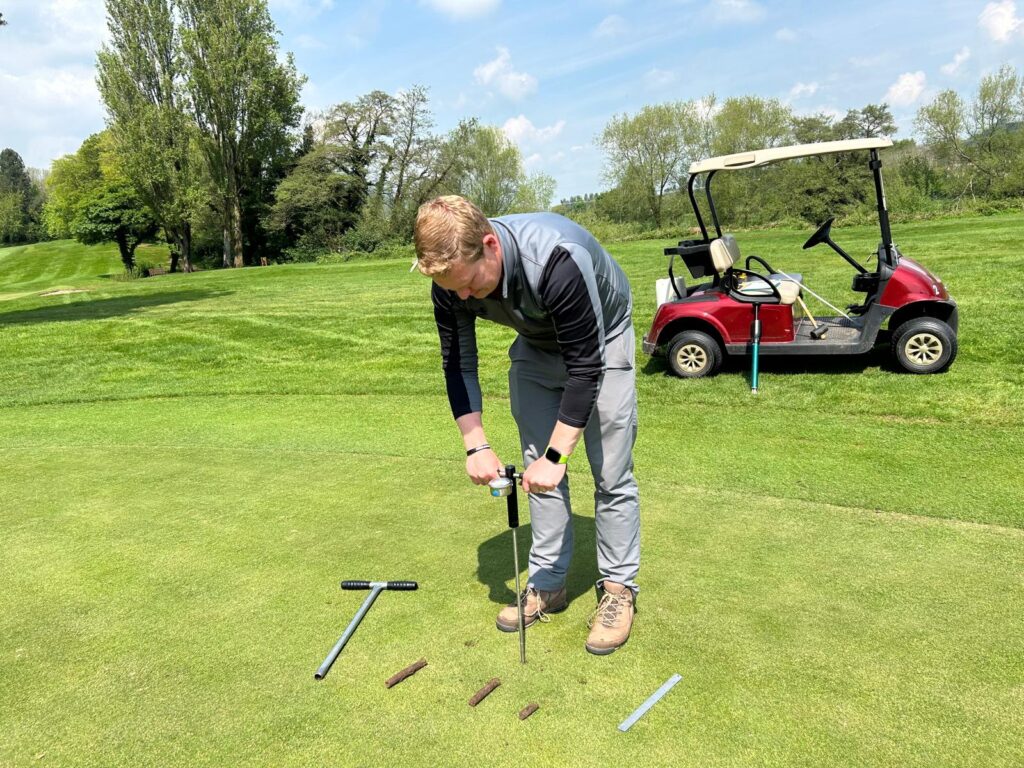
You need to understand grass species, root development, soil structure, compaction, drainage, nutrition, and disease. These factors will shape every maintenance decision you make.
Machinery and Equipment Competence
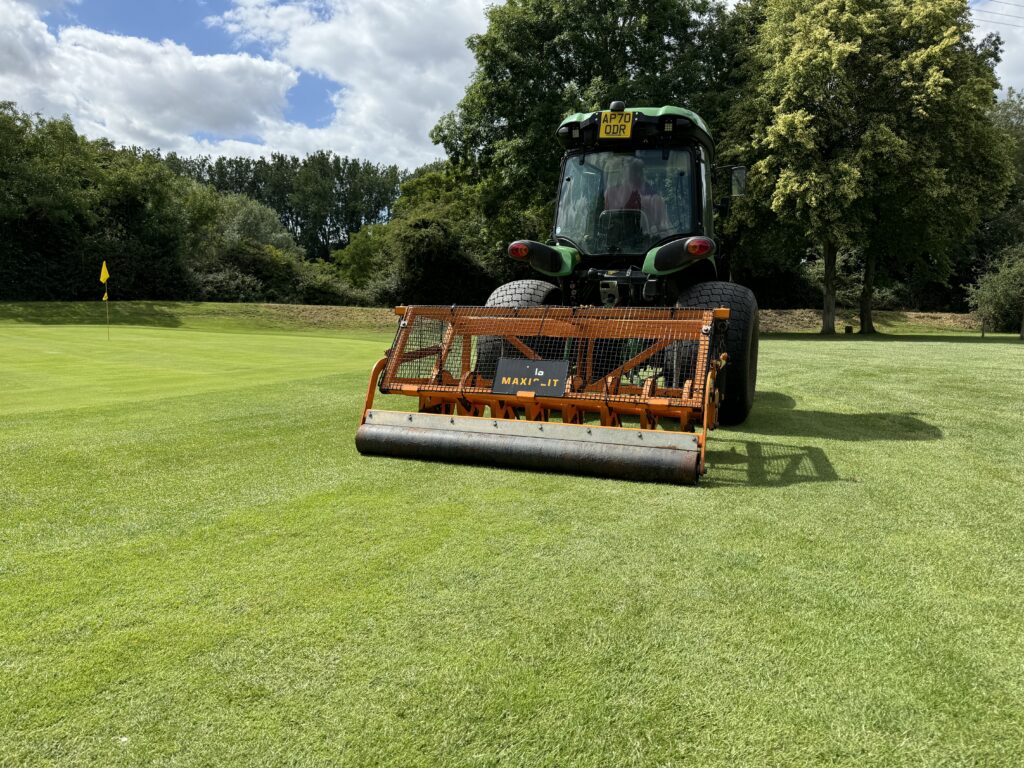
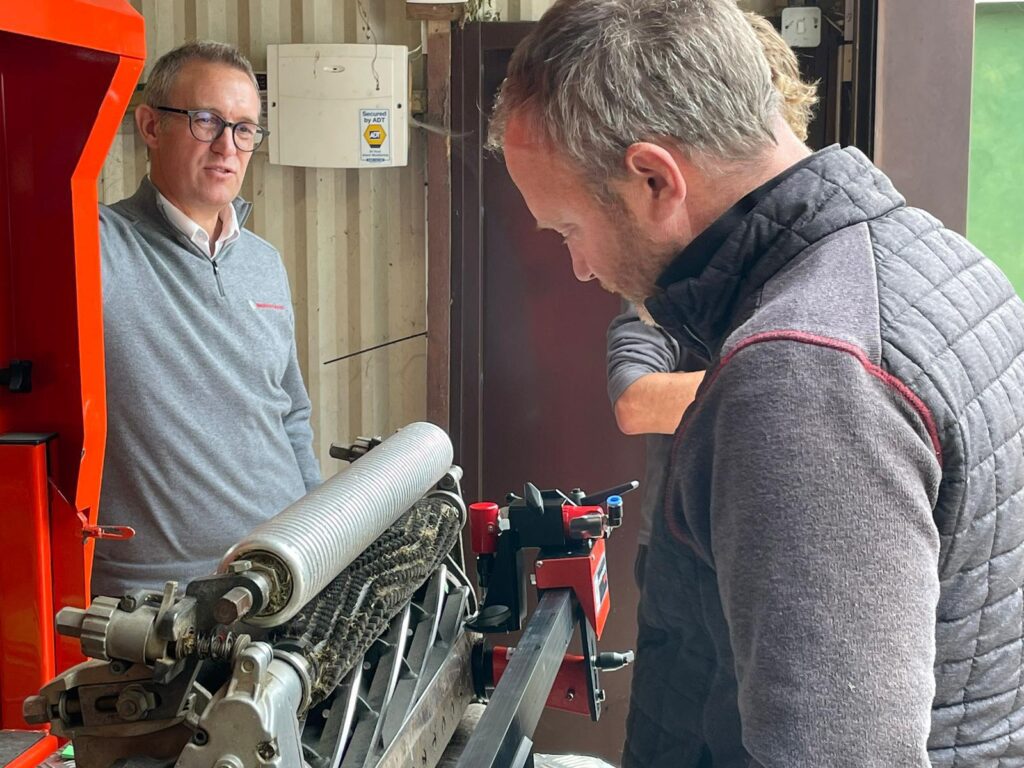
You’ll work with pedestrian and ride-on mowers, tractors, aerators, topdressers, sprayers, and renovation machinery. That means knowing how to set up, operate, and maintain equipment to keep surfaces consistent.
Planning and Organisation
Pitch preparation runs on tight timelines, and you’ll need to plan around weather, training loads, fixture congestion, and recovery windows. This will involve building schedules that allow for flexibility without sacrificing standards.
Problem-Solving
Since turf is a living thing, you’ll encounter problems even despite your best efforts. These could include drought stress, waterlogging, wear damage, pest issues, disease outbreaks, and surface failure. You’ll need to respond methodically to any issues you face in the role.

Leadership
Most leadership roles involve supervising staff. You’ll be tasked with training new employees and allocating workloads, making sure that your team works to consistent standards and building a culture of pride in the surfaces you produce.
Communication
Your role will involve speaking with coaches, directors, players, suppliers, and contractors. Knowing how to communicate clearly will prevent misunderstandings and keep everyone’s expectations realistic.
What Qualifications Should You Have?
You don’t need a university degree to start in sports turf, but there are many qualifications you can obtain that support long-term progression and make you a more attractive candidate for senior roles and overseas work.
Entry-Level Qualifications
Many people begin with Level 2 or Level 3 diplomas or certificates (or equivalent in your home country) in sports turf, grounds management, or horticulture. These courses cover:
- Turf maintenance
- Machinery operation
- Health and safety
- Soil science basics
- Irrigation
- Pitch preparation
They provide a strong technical foundation and make you more employable early in your career.
Apprenticeships
Apprenticeships offer one of the strongest entry routes. You’ll earn while learning on the job and build real experience throughout. Many apprentices progress quickly into full-time roles once they qualify.
Some higher-level apprenticeships are funded through government schemes and can lead to degree-level qualifications; a great option if you want to study while staying in paid employment.
Foundation Degrees and Honours Degrees
You may choose to study sports turf, golf course management, turfgrass science, or any equivalent, relevant course or degree at a university.
These courses tend to suit people aiming for stadium, elite sport, or consultancy roles. While they’re a great way to gain technical knowledge and may help you obtain your desired role faster, we’ve seen hundreds of success cases with no university degree.
Short Courses and Certifications
Throughout your career, you’ll complete specialist training in areas such as:
- Spraying and fertiliser application
- Chainsaw and machinery use
- Irrigation design
- Drainage installation
- Health and safety management
- First aid
Some businesses will pay for you to complete these, but in some cases, you’ll be expected to pay for them yourself. This kind of training will help you keep your skills current and improve your earning potential.
IGFH’s Brad is the Director of Education at GroundsFest Academy, which offers free educational events in the UK and beyond. You can learn more aout GroundsFest Academy and register for a fre seminar here.
What Does the Career Path Look Like?
Most turf managers build their careers step by step. Here’s what career progression towards a management role typically looks like:
Grounds Assistant or Trainee
Most people start here. You’ll learn the basics of mowing, marking out, pitch preparation, and machinery care, working under experienced staff and building your understanding of how surfaces behave across seasons.
Groundsperson or Technician
When you have experience and qualifications, you’ll move into a more responsible role. This will involve taking ownership of certain areas and carrying out renovation work. You might also be asked to help plan maintenance schedules.
Senior Groundsperson or Deputy Manager
As a senior groundsperson or deputy manager, you’ll support the site manager and help supervise staff. Your role will also involve contributing to budgeting and ordering, as well as long-term planning.
Sports Turf Manager or Head Groundsperson
This is the final rung of the ladder if your goal is to become a sports turf manager or head groundsperson. In this role, you’ll take full responsibility for the facility and manage a team. You’ll also be responsible for budgets and setting maintenance standards.
Specialist or Consultancy Roles
If you’re looking for something different after several years in management, you may decide to move into a specialist or consultancy role. This could involve drainage installation, irrigation design, machinery sales, technical support, or agronomy.
What are the Working Conditions Like?
The day-to-day role of a sports turf manager depends on the season. In the summer, you’ll focus on renovation, seeding, and topdressing, while in the winter, you’ll be responsible for leading pitch protection, drainage, recovery, and fixture preparation. Construction projects might also be a part of your calendar during quieter periods.
Weekend work and early starts both come with the territory, especially when you’re working in professional sport. And because the weather plays a big role, you’ll also need to be flexible with your schedule.
The work can feel demanding, but you’ll take pride in bringing your surfaces to the best quality and seeing them used on matchday.
What are the Salary Prospects?
Your salary as a sports turf manager varies depending on the job location and the level of sport, as well as your responsibilities in the role.
According to Glassdoor, the average salary for a turf management role in the UK is £44,000 per year. There’s still an issue with subpar pay in the sports turf industry, and we’ve shared our thoughts on this in a recent blog post.
Is Sports Turf Management a Good Career Choice?
If you enjoy practical work, problem-solving, working outdoors, and leading a team, a sports turf management role is ideal for you.
You’ll need to have the motivation and “go-getting” attitude to take control of all aspects of pitch maintenance, so your work should feel like more than simply something that pays the bills.
How Do You Get Started?
The simplest route to a management position in turf is to begin in a trainee role at a local club or facility. If you’re already a groundsperson and want to take the next steps, see what training and certificates you can get to build your CV, and ask your manager if you can take on more of a senior role in an upcoming project. You can use this as evidence of your leadership abilities when you’re applying for a turf management job.
Networking can also make a real difference in our industry, so never pass up on the opportunity to attend events and trade shows. That way, you’ll be more than just a name on a CV, and you never know where you might meet your future employer.